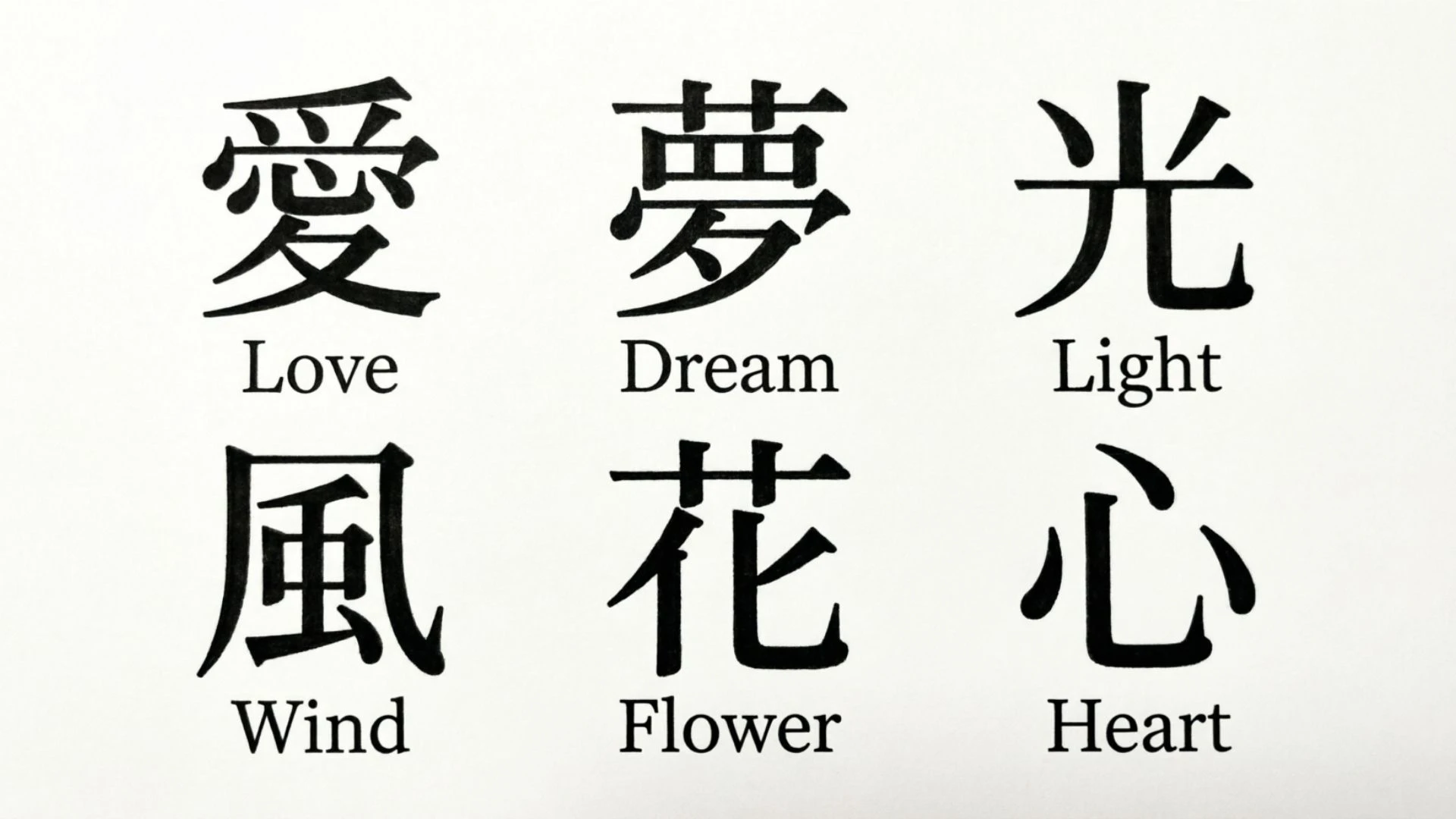
Japanese writing has a distinctive look that works beautifully in usernames, social media bios, messages, tattoos, artwork, captions, and digital designs.
If you are searching for Japanese symbols copy and paste, you may simply want a character that you can grab and use immediately or you may want to understand what that character actually means.
This guide gives you both.
You can copy Japanese kanji, hiragana, katakana, punctuation, decorative characters, and kaomoji directly from the lists below. You will also find Japanese characters grouped by meanings such as love, strength, peace, beauty, nature, dreams, and happiness.
One important point comes first: “Japanese symbols” is a popular search phrase, but Japanese writing is not one single symbol system.
It uses several writing systems, especially kanji, hiragana, and katakana. Some decorative characters commonly called Japanese symbols online are actually general Unicode symbols.
Understanding that difference can help you choose characters more accurately, especially if you plan to use them in a tattoo, username, logo, or other permanent design.
Japanese Symbols You Can Copy and Paste (Quick Answer)
Here are some popular Japanese characters you can copy right away:
愛 恋 夢 心 美 力 勇 和 幸 福 光 星 月 花 桜 雪 海 空 山 森 龍
Popular Japanese Characters and Meanings
| Character | Common meaning |
| 愛 | Love, affection |
| 恋 | Romantic love |
| 夢 | Dream |
| 心 | Heart, mind |
| 美 | Beauty |
| 力 | Strength, power |
| 勇 | Courage |
| 和 | Harmony, peace-related meanings |
| 幸 | Happiness, good fortune |
| 福 | Good fortune, blessing |
| 光 | Light |
| 星 | Star |
| 月 | Moon, month |
| 花 | Flower |
| 桜 | Cherry blossom |
| 雪 | Snow |
| 海 | Sea, ocean |
| 空 | Sky |
| 山 | Mountain |
| 森 | Forest |
| 龍 | Dragon |
To copy: Select the character you want, use Ctrl + C on Windows or Command + C on Mac, then paste it where you need it.
What Counts as a Japanese Symbol?
The phrase “Japanese symbol” is commonly used online for Japanese characters, but it can describe several different things.
Japanese writing mainly combines three systems:
- Hiragana — a phonetic Japanese syllabary
- Japanese punctuation and special marks — used within Japanese writing
- Kaomoji — text-based facial expressions often associated with Japanese internet culture
- Decorative Unicode characters — general symbols that may be used alongside Japanese text
Knowing which category you need makes it easier to find the right character.
Kanji
Kanji are characters used in Japanese writing that historically developed from Chinese characters.
Many kanji carry a meaning or contribute meaning to a word.
Examples include:
愛 — love-related meaning
山 — mountain
水 — water
火 — fire
花 — flower
夢 — dream
A single kanji can have multiple readings and meanings depending on context.
Hiragana
Hiragana is a Japanese phonetic writing system. It is commonly used for native Japanese words, grammatical endings, particles, and other parts of Japanese sentences.
Examples:
あ い う え お
Hiragana generally has a rounded appearance.
Katakana
Katakana is another Japanese phonetic writing system. It is commonly used for many foreign words, loanwords, names, emphasis, and some specialized terms.
Examples:
ア イ ウ エ オ
Katakana generally has a more angular appearance than hiragana.
Hiragana Copy and Paste
If you need Japanese characters for typing, learning, designing, or experimenting with Japanese text, the basic hiragana set is useful to keep nearby.
Basic Hiragana
Copy the basic hiragana characters here:
あ い う え お
か き く け こ
さ し す せ そ
た ち つ て と
な に ぬ ね の
は ひ ふ へ ほ
ま み む め も
や ゆ よ
ら り る れ ろ
わ を ん
Hiragana With Dakuten
Some hiragana characters change sound when marks called dakuten are added.
ざ じ ず ぜ ぞ
だ ぢ づ で ど
ば び ぶ べ ぼ
Hiragana With Handakuten
The handakuten is used with the H-row to create P sounds:
ぱ ぴ ぷ ぺ ぽ
Hiragana Copy All
For quick copying:
あいうえお かきくけこ さしすせそ たちつてと なにぬねの はひふへほ まみむめも やゆよ らりるれろ わをん
Katakana Copy and Paste
Katakana is useful when you need Japanese phonetic characters for foreign words, names, decorative text, or language practice.
Basic Katakana
ア イ ウ エ オ
カ キ ク ケ コ
サ シ ス セ ソ
タ チ ツ テ ト
ナ ニ ヌ ネ ノ
ハ ヒ フ ヘ ホ
マ ミ ム メ モ
ヤ ユ ヨ
ラ リ ル レ ロ
ワ ヲ ン
Katakana With Dakuten
ガ ギ グ ゲ ゴ
ザ ジ ズ ゼ ゾ
ダ ヂ ヅ デ ド
バ ビ ブ ベ ボ
Katakana With Handakuten
パ ピ プ ペ ポ
Katakana Copy All
アイウエオ カキクケコ サシスセソ タチツテト ナニヌネノ ハヒフヘホ マミムメモ ヤユヨ ラリルレロ ワヲン
Japanese Kanji Symbols Copy and Paste
Kanji are often the characters people are looking for when they search for a Japanese symbol with a specific meaning.
However, a dictionary translation for one character does not always tell you how that character works in a complete Japanese word. Treat the meanings below as helpful starting points rather than complete language lessons.
Japanese Symbols for Love
愛 — love, affection
恋 — romantic love or romantic longing
心 — heart, mind, feelings
友 — friend
縁 — connection, bond, relationship, or tie depending on context
結 — tie, bind, connect
Copy:
愛 恋 心 友 縁 結
Japanese Symbols for Strength
力 — strength, power
強 — strong, strength-related meaning
勇 — courage, bravery
勝 — victory, winning
武 — martial or military associations
忍 — endurance, patience, perseverance-related meanings
Copy:
力 強 勇 勝 武 忍
Japanese Symbols for Peace and Harmony
和 — harmony and related meanings
平 — flat, even, calm, peace-related meanings depending on context
静 — quiet, still, calm
穏 — calm, gentle, peaceful
安 — safe, peaceful, inexpensive, or other meanings depending on usage
Copy:
和 平 静 穏 安
Japanese Symbols for Beauty
美 — beauty, beautiful
華 — flower, splendor, brilliance, and related meanings depending on context
麗 — beautiful, lovely, graceful
Copy:
美 華 麗
Japanese Symbols for Happiness and Good Fortune
幸 — happiness, good fortune
福 — good fortune, happiness, blessing
喜 — joy, happiness, delight
吉 — good luck, auspiciousness
Copy:
幸 福 喜 吉
Japanese Symbols for Dreams and Hope
夢 — dream
希 — hope, wish-related meaning in compounds
光 — light
望 — desire, wish, hope-related meanings
For the complete Japanese word hope, a common expression is:
希望
For dream, 夢 is commonly used.
Copy:
夢 希 光 望 希望
Japanese Symbols for Life
命 — life, fate, lifespan
生 — life, birth, living, raw, and other meanings depending on context
生きる — to live
For a simple symbolic character, 命 is often chosen when the intended concept is life.
Copy:
命 生
Japanese Nature Symbols Copy and Paste
Japanese writing has many simple characters associated with nature.
| Character | Meaning |
| 山 | Mountain |
| 川 | River |
| 海 | Sea |
| 空 | Sky |
| 森 | Forest |
| 木 | Tree / wood |
| 花 | Flower |
| 桜 | Cherry blossom |
| 雪 | Snow |
| 雨 | Rain |
| 風 | Wind |
| 火 | Fire |
| 水 | Water |
| 月 | Moon |
| 星 | Star |
| 石 | Stone |
| 竹 | Bamboo |
| 鳥 | Bird |
Copy Nature Symbols
山 川 海 空 森 木 花 桜 雪 雨 風 火 水 月 星 石 竹 鳥
Japanese Words You Can Copy and Paste
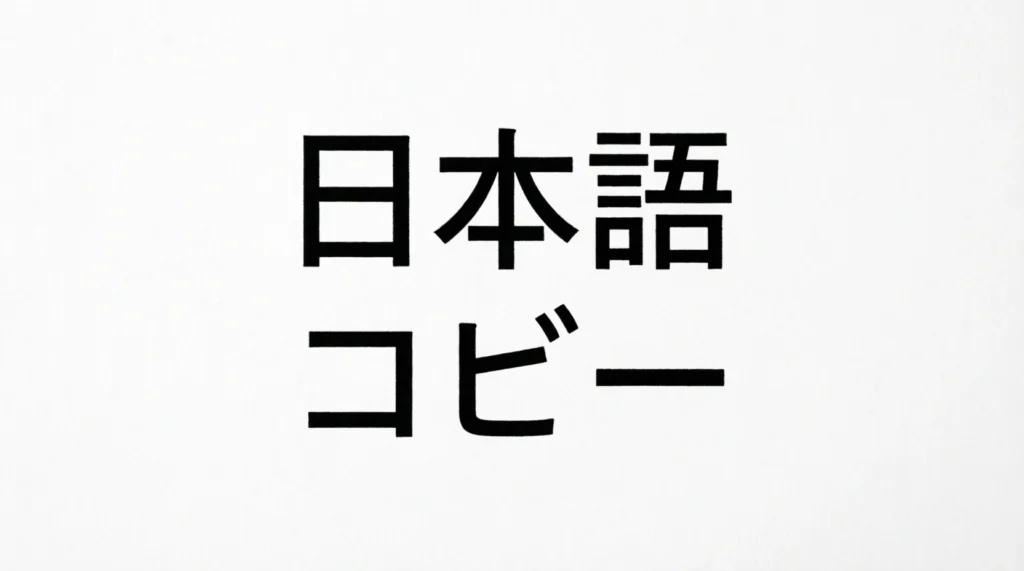
Sometimes a complete Japanese word is better than choosing one kanji.
Hope
希望
This is a common Japanese word for hope.
Peace
平和
This is a common Japanese word meaning peace.
Freedom
自由
This is a common Japanese word meaning freedom.
Future
未来
This is a common Japanese word meaning future.
Love
愛
Depending on what you want to express, other words or compounds may be more appropriate than a single character.
Happiness
幸福
This is a word associated with happiness or well-being.
Friendship
友情
This refers to friendship.
Life
人生
This means life in the sense of a person’s life or lifetime.
Important: A complete Japanese word can have a different nuance from simply combining English translations of individual characters.
Japanese Punctuation and Special Characters Copy and Paste
Japanese writing uses punctuation and special marks that can be useful for Japanese text, designs, and formatting.
Japanese Quotation Marks
「 」
These are Japanese corner brackets commonly used for quotations.
Double Corner Brackets
『 』
These are another form of Japanese quotation marks and can be used in particular quotation and title contexts.
Japanese Brackets
【 】
These brackets are commonly seen in Japanese digital writing, titles, labels, and emphasis.
Japanese Middle Dot
・
The middle dot has several uses in Japanese writing, including certain foreign names and lists.
Repetition Mark
々
This mark indicates repetition of a kanji in certain words.
Long Vowel Mark
ー
This mark is particularly associated with katakana writing and is used to indicate a long vowel.
Japanese Punctuation Copy All
「 」 『 』 【 】 ・ 々 ー
Japanese Kaomoji Copy and Paste
Kaomoji are text-based facial expressions made with characters and punctuation. They are popular in online communication and can add personality to messages, usernames, comments, and profiles.
Cute Kaomoji
(。♥‿♥。)
(≧▽≦)
(◕‿◕)
(^▽^)
(๑˃ᴗ˂)ﻭ
Happy Kaomoji
(⌒‿⌒)
ヽ(・∀・)ノ
(^◡^)
(•‿•)
Sad Kaomoji
(╥﹏╥)
(ಥ﹏ಥ)
(T_T)
(。•́︿•̀。)
Love Kaomoji
(。♥‿♥。)
(っ˘з(˘⌣˘ )
(♡˙︶˙♡)
Hugging Kaomoji
(づ。◕‿‿◕。)づ
(つ≧▽≦)つ
Shrug and Confused Kaomoji
¯_(ツ)_/¯
(・・?)
(・_・ヾ
Kaomoji are different from traditional Japanese writing. They are expressions created from text characters rather than a formal Japanese writing system.
Japanese Aesthetic Symbols Copy and Paste
If your goal is an aesthetic username, profile, caption, or design, you can combine Japanese characters with general Unicode symbols.
Try these:
✦ ✧ ♡ ♥ ☆ ★ 。 ・ 〆 々 〜
Some combinations:
月 ✦ 星
夢 ✧ 光
桜 ♡ 花
愛 ✦ 心
和 ・ 夢 ・ 美
Japanese Characters vs Decorative Unicode
This distinction is important.
Characters such as 愛, 夢, 山, 花, and 桜 are Japanese kanji.
Characters such as ♡, ✦, ★, and ✧ are general Unicode symbols rather than Japanese writing.
They can be used together for an aesthetic design, but they should not all be described as Japanese language characters.
Japanese Symbols for Instagram, TikTok, Discord, and Profiles
Japanese characters can create a simple visual style in profiles and display names, although each platform has its own rules.
Minimal Japanese Profile Style
夢 月 星
心 和 美
愛 光 空
Cute Japanese-Style Combinations
桜 ♡ 花
月 ✧ 星
花 。・゚・
夢 ♡ 心
These are decorative combinations. They should not automatically be treated as natural Japanese phrases.
Cool-Looking Japanese Characters
龍 影 零 炎 力 夜
These characters have different meanings and readings, so choose them for meaning rather than appearance alone.
Japanese Symbols for Usernames
Some characters that can look attractive in display names include:
夢
月
星
桜
龍
花
零
影
光
Always check the specific platform’s username restrictions before using Japanese Unicode characters.
Japanese Symbols for Tattoos
Japanese characters are popular tattoo choices because a single character can look simple while representing a larger concept.
Some commonly selected characters include:
| Character | General meaning |
| 愛 | Love |
| 夢 | Dream |
| 力 | Strength |
| 勇 | Courage |
| 美 | Beauty |
| 和 | Harmony |
| 心 | Heart / mind |
| 命 | Life |
| 光 | Light |
| 幸 | Happiness |
Complete words can also be considered:
希望 — hope
自由 — freedom
平和 — peace
未来 — future
Why Tattoo Translation Needs Extra Care
A Japanese character should never be selected only because an online list says it means one English word.
Kanji can have several readings and meanings. A character that looks right visually may not communicate the exact concept you intended.
Before getting Japanese text permanently tattooed, have the exact character or complete phrase checked by a fluent Japanese speaker who understands the intended context.
Japanese Symbols vs Chinese Characters
Japanese and Chinese writing have a close historical connection, and Japanese kanji originated from characters introduced from China over many centuries.
However, Japanese and Chinese are different languages.
A character can look similar or identical in both languages while having different pronunciations, grammatical roles, or nuances.
For example:
愛
is associated with love in both Japanese and Chinese, but the pronunciation and grammatical use are different.
Therefore, it is more accurate to say that Japanese kanji have historical roots in Chinese characters rather than calling Japanese and Chinese writing exactly the same.
How to Copy and Paste Japanese Symbols
Copying Japanese characters is usually no different from copying English text.
On Windows
- Select the character.
- Press Ctrl + C.
- Open your destination app or website.
- Press Ctrl + V.
On Mac
- Select the character.
- Press Command + C.
- Click where you want the character.
- Press Command + V.
On iPhone and iPad
- Press and hold the character.
- Select Copy.
- Open the app where you want to use it.
- Press and hold the text field.
- Tap Paste.
On Android
- Press and hold the character.
- Select Copy.
- Open the destination app.
- Press and hold the text area.
- Tap Paste.
How to Type Japanese Characters
Copying is useful when you only need a particular character. If you regularly write Japanese, you may want to install Japanese input support on your device.
Japanese input methods allow you to type Japanese using a keyboard and convert the typed sounds into hiragana, katakana, or kanji.
For example, a user can type Japanese sounds using a Romanized keyboard layout and then select the appropriate Japanese characters.
This is different from simply copying a character from a website.
Why Japanese Symbols Sometimes Show as Boxes
You may occasionally copy a Japanese character and see a square or blank box instead.
This can happen for several reasons.
Your Font Does Not Support the Character
Some fonts do not contain every Unicode character. Your device may replace an unsupported character with a box.
The App Has Limited Character Support
Some websites, games, older applications, or username systems restrict certain Unicode characters.
The Character Is Not Supported Correctly
Rare or unusual characters may not display properly in every environment.
How to Fix Display Problems
Try:
- Using a different font
- Updating your app or browser
- Trying another device
- Checking whether the platform supports Japanese text
- Using a more common Japanese character
If the character works on one website but appears as a box somewhere else, the problem may be with that platform rather than the character itself.
How to Choose the Right Japanese Symbol
Choosing a Japanese character should start with the idea you want to express.
Step 1: Decide the Meaning
Ask yourself whether you want to represent:
- Love
- Strength
- Courage
- Beauty
- Peace
- Happiness
- Nature
- Dreams
- Life
- Freedom
- Hope
Step 2: Decide Whether You Need One Character or a Word
For example:
夢 can represent a dream-related idea.
But 希望 is a complete Japanese word for hope.
Similarly:
平和 is a complete word meaning peace.
Step 3: Consider the Context
A character used in a tattoo may need more careful checking than one used simply as decoration in a social media post.
Step 4: Verify Important Text
If the text will be permanent or represents an important personal message, verify the exact Japanese expression with a fluent speaker.
Japanese Symbols by Meaning
Use this quick reference if you know what idea you want to represent.
| Meaning | Japanese character or word |
| Love | 愛 |
| Romantic love | 恋 |
| Heart / mind | 心 |
| Friendship | 友情 |
| Strength | 力 |
| Courage | 勇 |
| Victory | 勝 |
| Beauty | 美 |
| Harmony | 和 |
| Peace | 平和 |
| Happiness | 幸 / 幸福 |
| Good fortune | 福 |
| Dream | 夢 |
| Hope | 希望 |
| Freedom | 自由 |
| Future | 未来 |
| Life | 命 / 人生 |
| Light | 光 |
| Star | 星 |
| Moon | 月 |
| Flower | 花 |
| Cherry blossom | 桜 |
| Mountain | 山 |
| Sea | 海 |
| Forest | 森 |
| Water | 水 |
| Fire | 火 |
| Wind | 風 |
Japanese Symbols Copy All
If you want a quick collection without reading through the entire guide, copy from this section:
Kanji
愛 恋 夢 心 美 力 勇 和 幸 福 光 星 月 花 桜 雪 海 空 山 森 龍 命 道 友 縁 勝 強 忍 自由 希望 平和 未来
Hiragana
あ い う え お か き く け こ さ し す せ そ た ち つ て と な に ぬ ね の は ひ ふ へ ほ ま み む め も や ゆ よ ら り る れ ろ わ を ん
Katakana
ア イ ウ エ オ カ キ ク ケ コ サ シ ス セ ソ タ チ ツ テ ト ナ ニ ヌ ネ ノ ハ ヒ フ ヘ ホ マ ミ ム メ モ ヤ ユ ヨ ラ リ ル レ ロ ワ ヲ ン
Punctuation and Decorative Characters
「 」 『 』 【 】 ・ 々 ー ✦ ✧ ♡ ♥ ☆ ★ 。 〜
Kaomoji
(^▽^)
(≧▽≦)
(。♥‿♥。)
(╥﹏╥)
(◕‿◕)
(づ。◕‿‿◕。)づ
Common Mistakes When Using Japanese Symbols
A visually attractive character is not automatically the right Japanese character for your intended meaning.
Mistake 1: Treating Every Japanese-Looking Character as Japanese
Decorative Unicode symbols can look Asian or Japanese without actually being Japanese writing.
Mistake 2: Translating One Kanji Too Literally
A dictionary may give several English meanings for one character. That does not mean all of those meanings work naturally when the character stands alone.
Mistake 3: Assuming Japanese and Chinese Are Identical
The writing systems are historically connected, but the languages are different.
Mistake 4: Using Random Kanji in a Tattoo
A character should be selected for its actual meaning and context, not just its appearance.
Mistake 5: Assuming a Decorative Combination Is a Japanese Phrase
Putting several beautiful kanji together does not necessarily create a natural Japanese expression.
Frequently Asked Questions
What is the Japanese symbol for love?
愛 is a common Japanese kanji associated with love and affection. 恋 is more specifically associated with romantic love or romantic longing.
What Japanese character means strength?
力 means strength or power. 強 is associated with being strong, while 勇 relates to courage or bravery.
What Japanese symbol means hope?
The common Japanese word for hope is 希望. Individual characters can contribute related meanings, but 希望 is the safer choice when you specifically want the word “hope.”
What Japanese symbol means peace?
平和 is a common Japanese word meaning peace. 和 is strongly associated with harmony and has several context-dependent meanings.
Can I copy and paste Japanese characters on my phone?
Yes. You can normally press and hold a Japanese character, select Copy, and then press and hold in another text field to choose Paste.
What are the three main Japanese writing systems?
The three major systems are kanji, hiragana, and katakana. Japanese writing commonly combines them within the same text.
What is the difference between hiragana and katakana?
Both are phonetic syllabaries, but they have different typical uses. Hiragana is widely used for native Japanese words and grammar, while katakana is commonly used for foreign words, loanwords, names, emphasis, and certain specialized terms.
Are Japanese symbols the same as Chinese symbols?
No. Japanese and Chinese are different languages. Japanese uses kanji that have historical roots in Chinese characters, but their pronunciation and usage can differ.
What Japanese character is good for a tattoo?
Popular choices include 愛 for love, 夢 for dream, 力 for strength, 勇 for courage, 和 for harmony, and 美 for beauty. For a permanent tattoo, verify the exact character or phrase with a fluent Japanese speaker.
Can I use Japanese symbols in my username?
Many platforms support Japanese Unicode characters, but the exact rules vary. A character may work in a display name but not in a username, so check the platform’s requirements.
Why does my Japanese character appear as a square?
The font, application, or platform may not support that particular character. Try another font, browser, app, or device.
What are Japanese kaomoji?
Kaomoji are text-based facial expressions made with Japanese and other Unicode characters. They are commonly used in online messages, profiles, comments, and social media.
What is the difference between a Japanese symbol and kanji?
“Japanese symbol” is a broad informal term. Kanji specifically refers to one of the major character systems used in Japanese writing. Not every character called a Japanese symbol online is kanji.
Final Thoughts
Japanese symbols can be useful for much more than decoration. Whether you need a meaningful kanji for a design, hiragana for language practice, katakana for Japanese text, punctuation for formatting, or a kaomoji for a social media message, you can find and copy many options from this guide.The most important thing is to match the character to your actual purpose.If you simply want something attractive for a username or profile, a Japanese character combined with a decorative Unicode symbol can create a clean aesthetic. If you want to communicate a specific Japanese word, choose the complete word rather than guessing from the English translation of one kanji.And if the character will be used permanently in a tattoo, artwork, or important design, verify the exact meaning and natural usage The best Japanese character is not simply the one that looks good it is the one that looks right, means what you intend, and is used in the right context.

Adam Sullivan is a dedicated writer who enjoys transforming everyday topics into engaging and informative content. His writing focuses on making complex ideas simple, practical and enjoyable for readers of all backgrounds. Adam is also the fictional author of The Lantern Beyond Autumn Hills and Where the Morning Horizon Waits. Outside of writing, he enjoys photography, traveling and discovering inspiration through new experiences. He believes great content should be both helpful and easy to connect with.
 Lily Anderson