Have you ever looked at a lighting plan or electrical drawing and wondered what all those small icons actually mean? I know how confusing they can seem at first.
Once you understand lighting symbols, though, reading a blueprint becomes much easier and far less intimidating.
Whether you’re planning a home renovation, studying electrical design, working in construction, or simply curious, learning these symbols can save time, reduce mistakes, and improve communication between everyone involved in a project.
Quick Answer: What Symbol Represents Lighting?
There isn’t one universal symbol that represents all lighting. Instead, lighting symbols are standardized icons used on architectural and electrical drawings to identify different lighting fixtures, switches, emergency lights, wall lights, recessed lights, pendant lights, and other lighting equipment. The simple ceiling light symbol is the most commonly used lighting symbol because it appears in nearly every building plan.
What Are Lighting Symbols?
Lighting symbols are graphic icons used on electrical and architectural plans to show the location, type, and function of lighting fixtures. Instead of writing long descriptions beside every light, designers use standardized symbols that make plans easier to read.
These symbols help:
- Electricians install fixtures correctly.
- Architects communicate design ideas.
- Builders avoid installation mistakes.
- Homeowners understand renovation plans.
- Inspectors review electrical layouts efficiently.
While many symbols follow international or national drafting standards, their exact appearance may vary depending on the country, software, company standards, or project requirements. For that reason, most professional drawings include a legend explaining the symbols used.
Lighting Symbols Comparison Table
| Symbol | Main Meaning | Best Use |
| Ceiling Light | General room lighting | Homes and offices |
| Recessed Downlight | Focused ceiling illumination | Modern interiors |
| Pendant Light | Decorative hanging light | Kitchens and dining rooms |
| Chandelier | Decorative centerpiece | Living rooms and halls |
| Wall Sconce | Accent wall lighting | Bedrooms and hallways |
| Track Lighting | Adjustable directional lighting | Galleries and retail spaces |
| Emergency Light | Safety illumination | Commercial buildings |
| Exit Sign | Emergency exit guidance | Public buildings |
| Floodlight | Wide outdoor lighting | Security and landscapes |
| Spotlight | Focused illumination | Artwork and displays |
| LED Panel Light | Uniform bright lighting | Offices and schools |
| Motion Sensor Light | Automatic lighting control | Entrances and security |
Top 12 Lighting Symbols and Their Meanings
Ceiling Light: Everyday General Illumination
The ceiling light symbol is one of the most common icons found on electrical drawings. It marks the position of a standard ceiling-mounted fixture that provides overall room lighting. Designers typically place it in bedrooms, living rooms, offices, and hallways where balanced illumination is needed.
Today, ceiling lights range from simple flush-mounted fixtures to stylish decorative designs. Because they serve as the primary source of light in many rooms, this symbol appears on nearly every residential electrical plan.
Best for: Home plans, office layouts, renovation drawings, electrical blueprints, lighting schedules.
Recessed Downlight: Clean and Modern Lighting
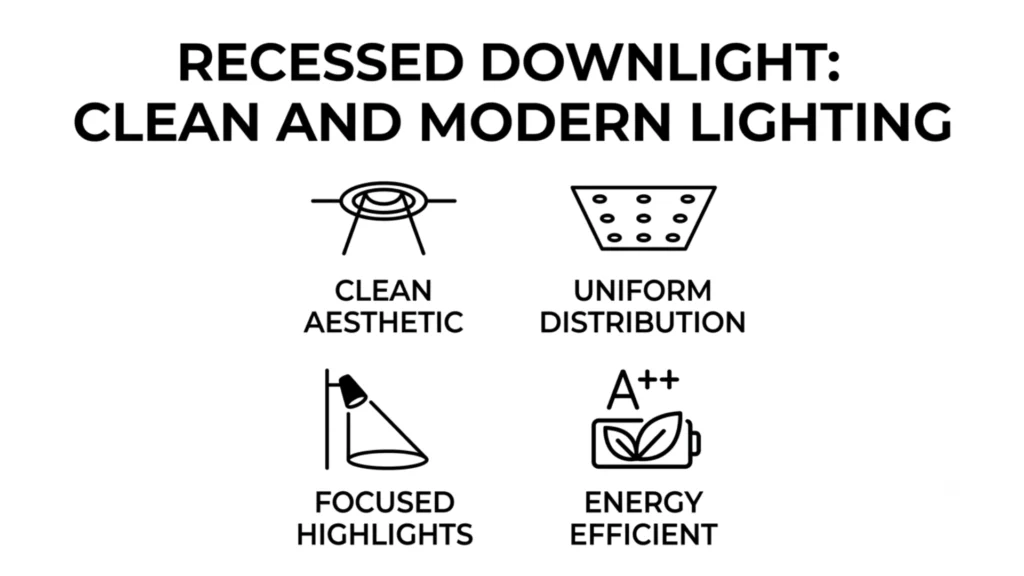
A recessed downlight symbol indicates lights installed inside the ceiling rather than hanging below it. These fixtures create a sleek appearance while providing focused illumination.
Modern homes often use recessed lights in kitchens, bathrooms, hallways, and living spaces because they blend seamlessly into the ceiling. Designers also use them to highlight architectural features without adding visual clutter.
Best for: Modern interiors, ceiling plans, minimalist homes, kitchen lighting, architectural designs.
Pendant Light: Decorative Task Lighting
The pendant light symbol represents a hanging light suspended from the ceiling by a rod, chain, or cord. Pendant lighting combines function with style, making it popular above dining tables, kitchen islands, and reception desks.
Designers often use multiple pendant lights together to create balance and improve task lighting. Their decorative appearance also makes them an important feature in interior design plans.
Best for: Kitchen islands, dining rooms, cafés, restaurants, decorative interiors.
Chandelier: Elegant Centerpiece Lighting
A chandelier symbol identifies a decorative ceiling fixture with multiple light sources. It serves as both a lighting fixture and a visual focal point.
Although traditionally associated with grand homes, chandeliers now come in contemporary, rustic, industrial, and minimalist styles. Electrical plans place this symbol where a room needs a dramatic centerpiece.
Best for: Entryways, dining rooms, hotels, luxury homes, event venues.
Wall Sconce: Soft Accent Lighting
The wall sconce symbol marks lighting fixtures attached directly to walls. Instead of providing broad illumination, sconces create ambient or accent lighting.
Interior designers frequently place wall sconces beside mirrors, beds, staircases, and hallways to improve both function and atmosphere. Their gentle lighting helps create comfortable, inviting spaces.
Best for: Bedrooms, hallways, bathrooms, hotels, decorative walls.
Track Lighting: Flexible Directional Lighting
Track lighting symbols indicate fixtures mounted on an adjustable track. Individual light heads can be aimed in different directions, making them ideal for highlighting specific areas.
Retail stores, museums, galleries, and modern homes often use track lighting to showcase products, artwork, or architectural details.
Best for: Retail spaces, galleries, kitchens, studios, display lighting.
Emergency Light: Essential Safety Lighting
The emergency light symbol identifies fixtures that automatically operate during a power outage. These lights help occupants safely leave a building when normal lighting fails.
Building codes commonly require emergency lighting in schools, hospitals, offices, and commercial properties to improve safety during emergencies.
Best for: Commercial buildings, schools, hospitals, emergency planning, public facilities.
Exit Sign | Safe Building Navigation
The exit sign symbol marks illuminated signs directing people toward emergency exits. While technically not a standard light fixture, it is an important lighting symbol on safety plans.
Its placement follows building regulations to ensure occupants can quickly locate exits in low-light conditions or emergencies.
Best for: Public buildings, offices, shopping centers, schools, emergency evacuation plans.
Floodlight | Wide Outdoor Coverage
The floodlight symbol represents powerful outdoor fixtures that spread light over a large area. These fixtures improve visibility while increasing safety around buildings.
Floodlights commonly illuminate parking lots, sports fields, gardens, building exteriors, and security zones. Their broad beam makes them especially useful for outdoor environments.
Best for: Security lighting, landscaping, parking lots, sports facilities, exterior walls.
Spotlight | Focused Illumination
A spotlight symbol indicates fixtures that concentrate light into a narrow beam. Instead of lighting an entire room, spotlights emphasize individual objects or areas.
Museums, art galleries, retail displays, and modern homes frequently use spotlights to draw attention to paintings, sculptures, shelves, or decorative features.
Best for: Artwork, exhibits, displays, retail stores, feature walls.
LED Panel Light | Bright Uniform Lighting
LED panel light symbols represent flat lighting fixtures designed for suspended ceilings. They provide even illumination while consuming less energy than many traditional fixtures.
Because of their efficiency and clean appearance, LED panels are widely installed in offices, classrooms, hospitals, and commercial buildings.
Best for: Offices, schools, healthcare facilities, commercial interiors, energy-efficient projects.
Motion Sensor Light | Automatic Lighting Control
The motion sensor light symbol identifies fixtures equipped with occupancy sensors. These lights switch on automatically when movement is detected and turn off after a set period.
This technology improves convenience, increases security, and reduces unnecessary electricity use, making it popular for homes and commercial buildings alike.
Best for: Garages, entrances, driveways, security systems, energy-saving installations.
Best Lighting Symbols for Tattoos
Unlike symbolic artwork representing emotions or beliefs, lighting symbols are technical icons. However, people who work in electrical trades, architecture, engineering, or lighting design sometimes choose them as meaningful tattoos that reflect their profession or passion.
Popular choices include:
- Ceiling light icon
- Pendant light outline
- Minimalist light bulb
- Spotlight symbol
- LED fixture design
- Emergency light icon
- Geometric lighting blueprint details
Small, simple line-art versions usually age better than highly detailed blueprint designs.
Best Lighting Symbols for Logos and Design
Lighting symbols can inspire clean, memorable branding when used thoughtfully. The best logo designs simplify technical icons while keeping them instantly recognizable.
Designers often use lighting-inspired graphics for:
- Electrical contractors
- Interior designers
- Smart home companies
- Lighting manufacturers
- Energy consultants
- Architecture firms
- Home improvement brands
Simple shapes with consistent line weights usually work best because they remain clear on websites, social media, business cards, and signage.
Best Lighting Symbols for Personal or Professional Meaning
Although lighting symbols are primarily technical, many people connect them with broader ideas such as knowledge, creativity, innovation, safety, and guidance.
Professionals often appreciate these symbols because they reflect years of education, skilled craftsmanship, and attention to detail. Homeowners may also see a lighting plan as the beginning of creating a comfortable, welcoming living space.
A thoughtfully chosen lighting symbol can remind someone of:
- Creative ideas
- Solving problems
- Professional pride
- Safe environments
- Modern design
- Innovation
- Bringing clarity to everyday life
Before Using Cultural or Sacred Symbols
Most lighting symbols used on architectural drawings are technical rather than religious. However, some decorative lighting designs may include elements inspired by cultural, historical, or spiritual traditions.
Before using any culturally significant design in tattoos, logos, artwork, or commercial branding, take time to understand its origin and meaning. A design that appears decorative may carry religious or ceremonial importance in another culture. Respectful research helps avoid misunderstandings and shows appreciation for the traditions behind the design.
How to Choose the Right Symbol for Lighting
The best lighting symbol depends on your purpose.
If you’re reading construction plans, always use the symbol legend included with the drawing because symbols may differ slightly between projects.
For tattoos, choose a clean design that has personal meaning and remains recognizable even when scaled down.
For logos, prioritize simple geometric forms that are easy to identify across digital and printed materials.
If you’re designing a home, select symbols that match the actual fixtures you plan to install, making communication with contractors much smoother.
Above all, choose a symbol that fits both your practical needs and your personal style.
FAQs About Lighting Symbols
What is the best lighting symbol?
The ceiling light symbol is the most commonly used because nearly every building includes general overhead lighting. It is simple, widely recognized, and appears on most residential and commercial electrical plans.
What do lighting symbols mean on blueprints?
Lighting symbols identify the location, fixture type, switching arrangement, and sometimes installation details for lighting equipment. They allow architects, electricians, and builders to communicate efficiently without lengthy written notes.
What is a good lighting symbol tattoo?
A minimalist pendant light, light bulb outline, spotlight icon, or blueprint-inspired ceiling light symbol makes a meaningful tattoo for electricians, designers, architects, or anyone whose career centers on lighting.
Are lighting symbols standardized?
Many lighting symbols follow national or international drafting standards, but companies, architects, and CAD software may use slightly different versions. Always check the drawing legend before interpreting a plan.
Which lighting symbols are easiest to recognize?
Ceiling lights, recessed lights, pendant lights, emergency lights, exit signs, and wall sconces are among the easiest symbols to identify because they appear frequently in architectural drawings.
What color is commonly associated with lighting?
White and warm yellow are the colors most commonly associated with lighting because they suggest brightness, visibility, warmth, and comfort. Blue is sometimes used to indicate modern LED technology or emergency lighting on diagrams.
Why are lighting symbols important?
Lighting symbols improve communication between architects, engineers, electricians, contractors, and property owners. They reduce confusion, speed up installation, and help ensure lighting systems are built according to the intended design.
Final Thoughts
Understanding lighting symbols makes electrical drawings far easier to read and helps everyone involved in a project communicate more clearly. From standard ceiling lights to emergency fixtures and motion sensors, each symbol has a specific purpose that simplifies planning and installation. Whether you’re learning for work, planning a renovation, choosing a design for a logo, or exploring tattoo ideas inspired by your profession, knowing these symbols gives you greater confidence and helps you make informed decisions.

Dylan Anderson is a writer who enjoys turning complex topics into simple, engaging content that readers can actually use. His work focuses on clear explanations, practical insights and storytelling that feels natural and relatable. He is also the fictional author of The Quiet Compass of Ashford and Where the Cedar Lantern Glows. When he’s away from his keyboard, Dylan enjoys hiking, reading, and discovering inspiration in everyday life. He believes great writing should be informative, easy to understand and enjoyable from beginning to end.
 Adam Sullivan