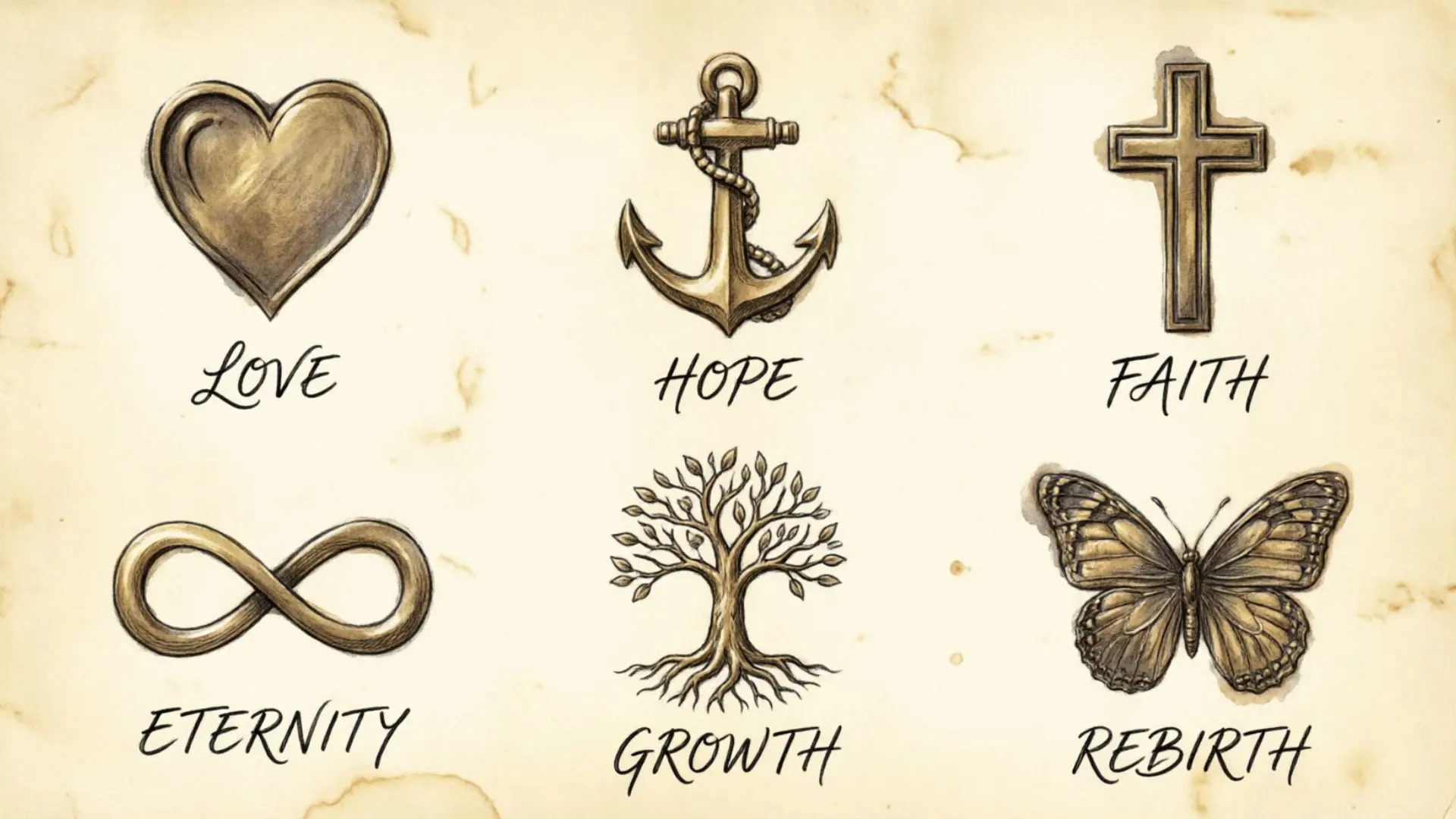
If you’ve ever turned over an old ring, bracelet, or necklace and noticed tiny marks stamped inside, you’re not alone.
I know how exciting it can be to wonder whether those little symbols tell a hidden story or reveal something valuable.
The truth is, antique symbols stamped on jewelry can provide important clues about a piece’s age, metal, maker, and history.
Once you understand what these marks mean, you’ll be much better prepared to identify genuine antique jewelry, avoid common mistakes, and appreciate the craftsmanship behind every piece.
Quick Answer: What Do Antique Symbols Stamped on Jewelry Mean?
The most common antique symbols stamped on jewelry are hallmarks, maker’s marks, purity marks, assay office symbols, and date letters. Together, these stamps help identify the jewelry’s precious metal, the manufacturer, where it was tested, and sometimes even the exact year it was made. However, meanings vary depending on the country, time period, and local hallmarking laws.
What Are Antique Symbols Stamped on Jewelry?
Antique symbols stamped on jewelry are small marks intentionally impressed into metal during the manufacturing or testing process. They serve as permanent identifiers rather than decorative designs.
These marks may indicate:
- The type of precious metal
- Metal purity
- The jewelry maker
- Assay office or testing authority
- Date of manufacture
- Country of origin
- Import or export status
Different countries developed their own hallmark systems over centuries. For example, British, French, and European jewelry often include multiple official symbols, while older American jewelry commonly features maker’s marks and metal purity stamps.
Because hallmark systems changed over time, one symbol may have different meanings depending on its historical period or country of origin.
Antique Symbols Stamped on Jewelry Comparison Table
| Symbol | Main Meaning | Best Use |
| Lion Passant | Sterling silver | Identifying British silver |
| Crown | Historic gold hallmark | Dating British jewelry |
| Anchor | Birmingham Assay Office | Determining origin |
| Leopard’s Head | London Assay Office | Authenticating British pieces |
| Maker’s Mark | Jewelry manufacturer | Identifying designers |
| 925 | Sterling silver purity | Checking silver content |
| 750 | 18K gold | Gold identification |
| Eagle Head | French gold hallmark | French antique jewelry |
| Owl Mark | French import mark | Imported antiques |
| Date Letter | Year of assay | Dating jewelry |
| Platinum Mark (Plat/PT) | Platinum jewelry | Metal verification |
| Crescent and Crown | German silver hallmark | European identification |
Top 12 Antique Symbols Stamped on Jewelry and Their Meanings
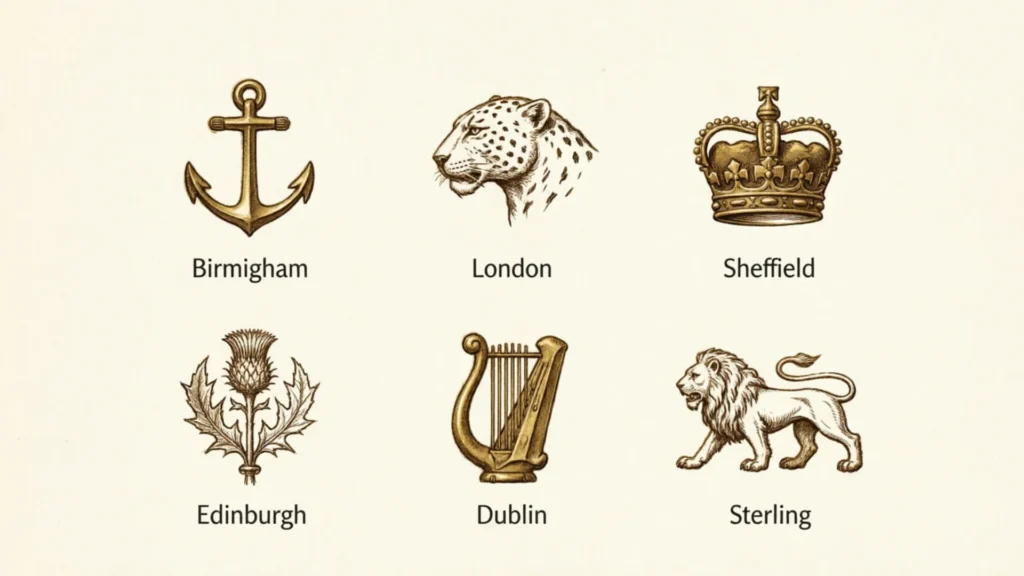
Lion Passant: The Classic Sterling Silver Hallmark
The Lion Passant is one of the best-known British hallmarks. It identifies sterling silver that meets the legal purity standard of 92.5% silver. This symbol has appeared on British silver jewelry for hundreds of years and remains one of the easiest ways to recognize authentic sterling silver.
Collectors often look for the Lion Passant alongside other hallmarks because the combination provides a more complete history of a piece. It is commonly found on rings, lockets, brooches, tea sets, and antique silverware.
Best for: Silver jewelry identification, collecting, appraisals, antique buying, family heirlooms.
Crown: Historic British Gold Mark
For many years, the Crown appeared on British gold jewelry to indicate that the item had been officially hallmarked. While modern hallmarking has changed, older gold pieces frequently feature this recognizable symbol.
The Crown is especially useful when identifying Victorian and Edwardian jewelry. It usually appears with purity numbers and assay office marks rather than standing alone.
Best for: Antique gold jewelry, heirloom research, vintage collections, museum reference.
Anchor: Birmingham Assay Office Symbol
The Anchor represents the Birmingham Assay Office in England. Jewelry carrying this mark was officially tested there to confirm precious metal purity.
This symbol doesn’t identify the jewelry maker. Instead, it reveals where the piece was legally assayed before being sold. Combined with date letters, the Anchor helps collectors narrow down production years.
Best for: Dating jewelry, British antiques, authenticity checks, collector research.
Leopard’s Head: London’s Historic Hallmark
The Leopard’s Head identifies jewelry assayed in London. It has been used for centuries and remains one of the oldest official hallmark symbols still recognized today.
Finding this symbol alongside purity and date marks gives valuable information about a jewelry item’s origin. Antique collectors often consider complete hallmark sets more desirable than incomplete ones.
Best for: British antique jewelry, authentication, collecting, historical research.
Maker’s Mark: Identifying the Jewelry Artist
A maker’s mark is the manufacturer’s personal signature. It may include initials, a symbol, or a registered logo.
Unlike purity marks, maker’s marks identify who created the jewelry rather than what it is made from. Some famous antique jewelers became highly collectible because of their distinctive stamps.
Researching a maker’s mark can sometimes reveal surprising information about the workshop, production period, or historical significance of a piece.
Best for: Designer identification, resale value, antique research, family heirlooms.
925: Sterling Silver Purity Stamp
The number 925 simply means the jewelry contains 92.5% pure silver. While modern jewelry often uses this number instead of the Lion Passant, antique pieces may contain both.
Although widely recognized today, a 925 stamp alone does not automatically prove a piece is antique. Additional hallmarks and construction details should always be considered.
Best for: Silver verification, jewelry shopping, authenticity checks, everyday jewelry.
750: The Mark for 18-Karat Gold
A 750 stamp indicates that the jewelry contains 75% pure gold, commonly known as 18-karat gold.
This numerical hallmark became popular across Europe and remains widely used today. Antique jewelry featuring a 750 stamp often includes additional hallmarks that help identify its country of origin.
Collectors appreciate 18K gold because it balances durability with a rich gold color.
Best for: Gold verification, estate jewelry, vintage collections, investment pieces.
Eagle Head: French Gold Hallmark
France has one of the world’s oldest hallmark systems. The Eagle Head identifies 18-karat gold that has passed official testing.
French antique jewelry frequently includes several tiny marks that may appear difficult to read without magnification. Learning to recognize the Eagle Head can greatly improve identification accuracy.
Because French hallmarks follow strict legal standards, they are highly respected by collectors.
Best for: French jewelry, luxury antiques, collector identification, estate appraisals.
Owl Mark: French Import Symbol
The Owl hallmark indicates imported precious metal jewelry that was officially tested in France.
Unlike domestic French hallmarks, the Owl identifies items manufactured outside France but approved for sale within the country. It helps collectors understand part of a jewelry item’s journey.
This small symbol often appears on imported antique gold and silver jewelry.
Best for: Import identification, antique research, European collections, provenance studies.
Date Letter: Dating Antique Jewelry
Many hallmark systems include alphabetical date letters assigned to specific years.
Each assay office used unique lettering styles, fonts, and shield shapes. Matching these letters with historical hallmark charts allows collectors to estimate when a piece was tested.
Date letters work best when combined with assay office symbols and purity marks rather than being interpreted alone.
Best for: Dating antiques, historical research, collecting, appraisals.
Platinum Marks: Identifying Platinum Jewelry
Older platinum jewelry may include stamps such as “Plat,” “PLAT,” or “950 Plat.”
These marks indicate platinum content but vary depending on the country and manufacturing period. Platinum became especially popular during the Edwardian and Art Deco eras because of its strength and elegant appearance.
Authentic antique platinum jewelry often combines these marks with maker’s stamps.
Best for: Platinum verification, engagement rings, vintage collections, estate sales.
Crescent and Crown: German Silver Hallmark
The Crescent and Crown hallmark is commonly found on German silver jewelry. Introduced in the late nineteenth century, it confirms that the jewelry met official silver purity standards.
This symbol usually appears with numerical purity marks such as 800 or 835. Together, they help collectors identify German-made antique silver.
It remains one of Europe’s most recognizable hallmark combinations.
Best for: German antiques, silver identification, European collections, historical jewelry.
Best Antique Symbols Stamped on Jewelry for Tattoos
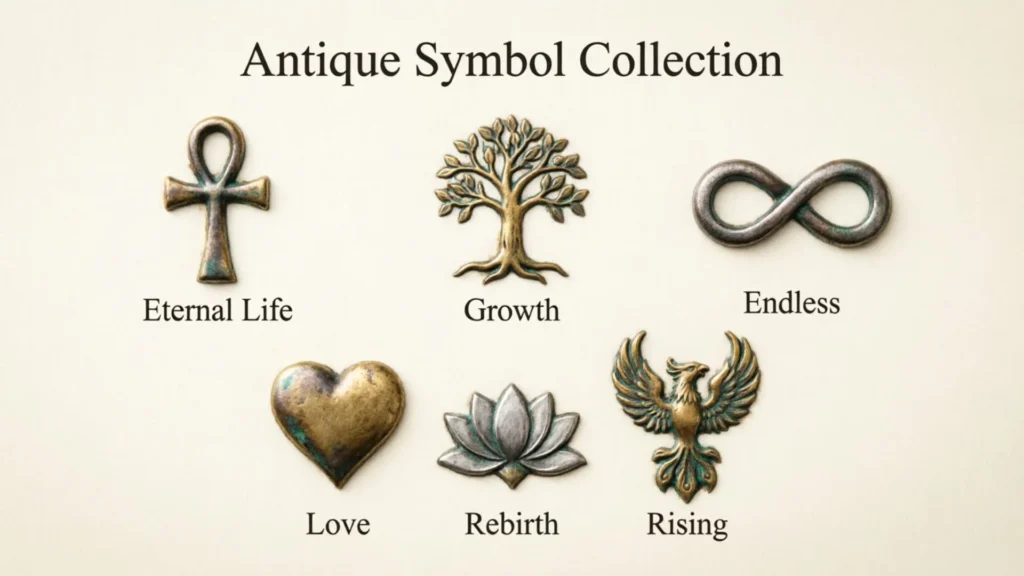
Some jewelry hallmarks make meaningful tattoo ideas because they celebrate heritage, craftsmanship, or family history. Instead of copying an entire hallmark set, many people choose one simple symbol with personal significance.
Popular tattoo choices include:
- Lion Passant
- Leopard’s Head
- Maker’s initials
- Crown
- Anchor
- Date letter
- Family jewelry hallmark
Simple line-art versions work well for wrist, finger, ankle, or behind-the-ear tattoos.
Best Antique Symbols Stamped on Jewelry for Logos and Design
Hallmark-inspired symbols can also inspire elegant branding. Their clean, recognizable shapes suit logos, jewelry businesses, artisan workshops, packaging, and social media graphics.
For design purposes, simplicity matters. A single hallmark-style icon is usually more memorable than several detailed symbols combined.
Popular options include:
- Crown
- Anchor
- Maker’s monogram
- Lion silhouette
- Minimal hallmark frame
Always create original artwork rather than copying registered trademarks or existing maker’s marks.
Best Antique Symbols Stamped on Jewelry for Family, Spiritual, or Personal Meaning
Although hallmarks primarily identify jewelry, they can also carry personal meaning.
A maker’s mark may remind someone of family craftsmanship passed through generations. A date letter can commemorate an important birth year or anniversary. Hallmarks on inherited jewelry often become treasured reminders of loved ones.
Rather than assigning mystical meanings to official stamps, many people value them because they connect personal memories with authentic history. That emotional connection often makes antique jewelry far more meaningful than its monetary value alone.
Before Using Cultural or Sacred Symbols
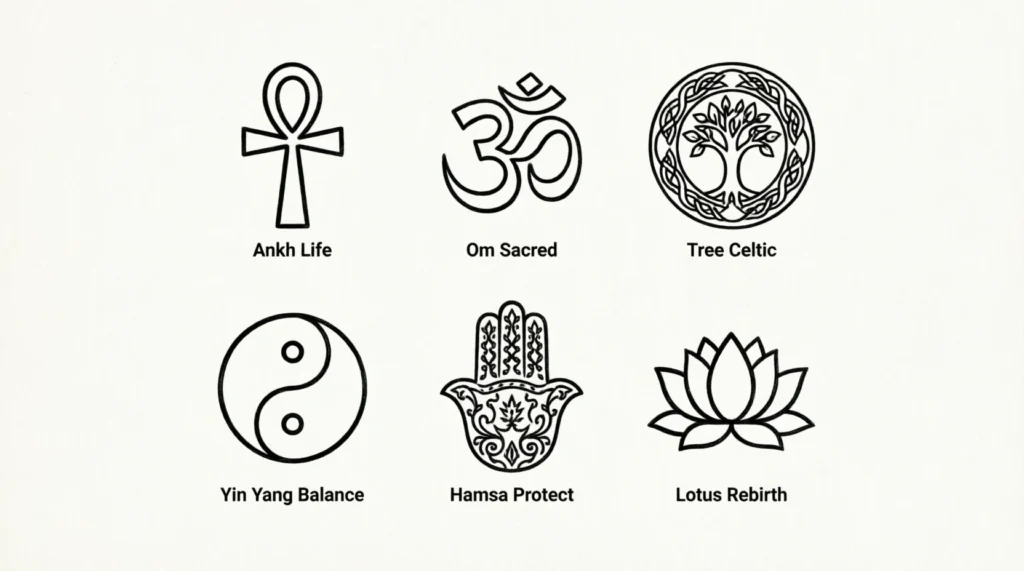
Some jewelry symbols come from religious traditions, royal institutions, or national hallmark systems with deep historical roots.
Before using these symbols in tattoos, logos, artwork, or commercial products, take time to understand their original purpose. Avoid presenting official hallmarks as ancient spiritual symbols unless reliable historical evidence supports that claim.
Remember that meanings can differ between countries, cultures, and time periods. Respecting those differences helps preserve their historical value.
How to Choose the Right Symbol for Antique Jewelry
The best symbol depends on what you want to learn or express.
If you’re identifying jewelry, look for complete hallmark combinations rather than a single stamp. For tattoos or artwork, choose a design that has genuine personal meaning instead of simply looking attractive.
Consider:
- Historical accuracy
- Country of origin
- Personal connection
- Simplicity of design
- Suitability for tattoos or logos
- Respect for cultural traditions
When in doubt, consult hallmark reference guides or a qualified jewelry appraiser.
FAQs About Antique Symbols Stamped on Jewelry
What is the most important antique jewelry symbol?
The hallmark is usually the most important because it confirms precious metal authenticity. Combined with maker’s marks and date letters, it helps identify the jewelry’s origin, age, and metal content.
What does 925 mean on antique jewelry?
A 925 stamp means the jewelry contains 92.5% pure silver, also called sterling silver. While common on both modern and antique pieces, additional hallmarks are needed to estimate age.
What is a good antique jewelry tattoo?
Maker’s marks, Lion Passant, Anchor, Crown, and simple hallmark frames are popular tattoo choices. They are small, timeless, and often carry personal meaning connected to family heirlooms.
How can I identify antique jewelry hallmarks?
Look for combinations of purity marks, assay office symbols, maker’s marks, and date letters. Comparing them with official hallmark reference charts is often the most accurate identification method.
Do all antique jewelry pieces have stamps?
No. Some handmade pieces, very old jewelry, costume jewelry, or items from countries without mandatory hallmark laws may have no visible stamps at all.
Can hallmarks increase jewelry value?
Yes. Clear, authentic hallmarks often improve collector interest because they help verify authenticity, origin, and age. Rare maker’s marks can significantly increase desirability.
What is the simplest hallmark to recognize?
The numbers 925 and 750 are among the easiest because they directly indicate silver and gold purity. Even beginners can quickly learn these common marks.
Do hallmark meanings change over time?
Yes. Hallmark laws, symbols, and standards have evolved for centuries. The same style of mark may have different meanings depending on the country and historical period.
Final Thoughts
Understanding antique symbols stamped on jewelry opens a fascinating window into history.
These tiny marks reveal far more than metal purity they tell stories about skilled makers, historic assay offices, and generations of craftsmanship.
Whether you’re identifying a treasured family heirloom, researching a flea market find, or looking for inspiration for a tattoo or design, learning to recognize these symbols helps you appreciate the history hidden in every piece.

Adam Sullivan is a dedicated writer who enjoys transforming everyday topics into engaging and informative content. His writing focuses on making complex ideas simple, practical and enjoyable for readers of all backgrounds. Adam is also the fictional author of The Lantern Beyond Autumn Hills and Where the Morning Horizon Waits. Outside of writing, he enjoys photography, traveling and discovering inspiration through new experiences. He believes great content should be both helpful and easy to connect with.
 Dylan Anderson