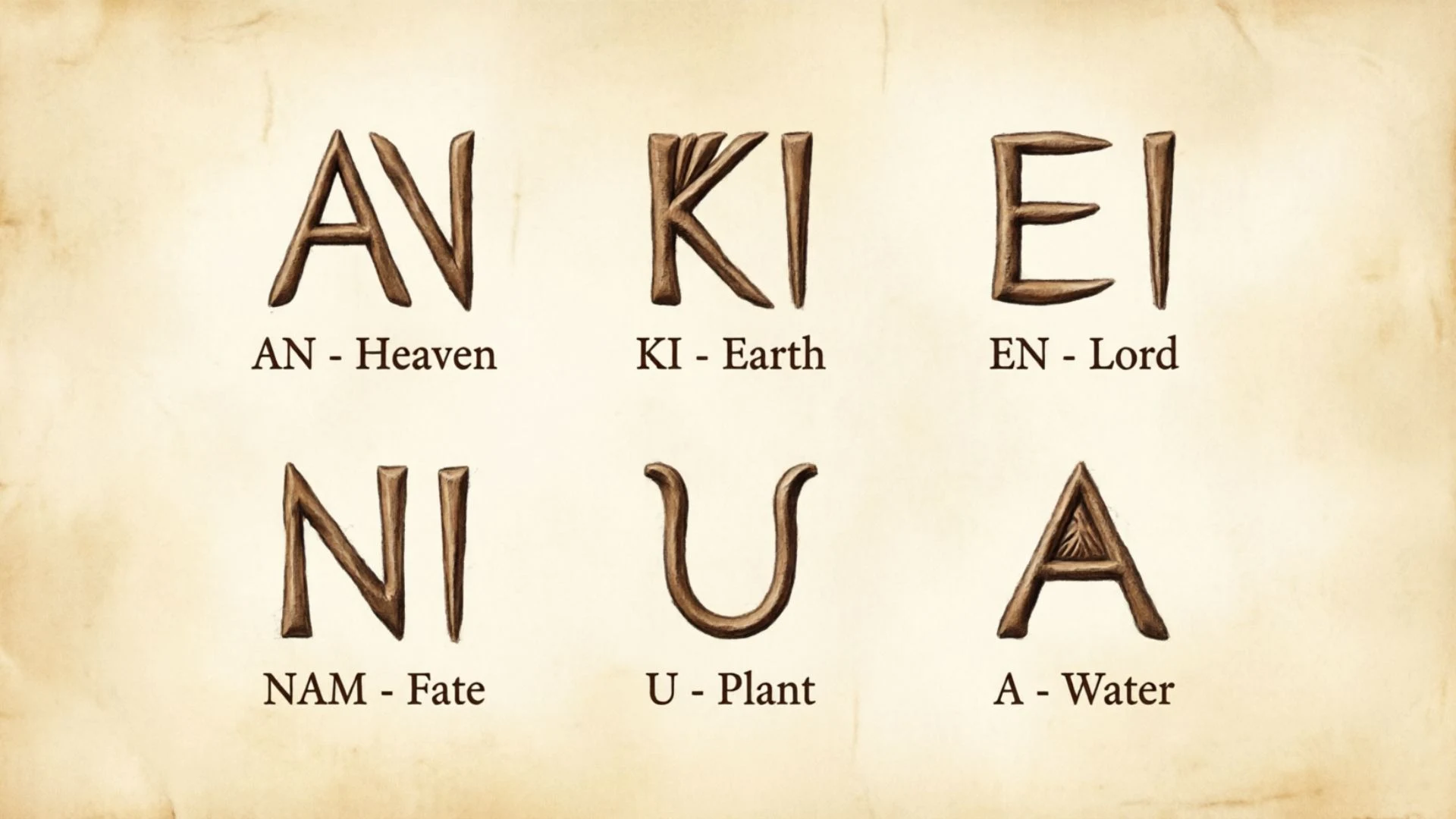
I have always found ancient symbols fascinating because they show how people shared ideas before modern writing systems existed.
Sumerian symbols are especially interesting because they come from one of the world’s earliest civilizations.
If you enjoy history, tattoos, spiritual designs, or meaningful artwork, these symbols offer a unique connection to the past.
In this guide, you will discover their meanings, cultural background, and how people use them today. Understanding the story behind a symbol makes it much more meaningful.
Quick Answer: What Symbol Represents Sumerian Symbols?
The most recognized Sumerian symbols come from the ancient writing system called cuneiform, where wedge-shaped marks were pressed into clay tablets. One of the most famous examples is the dingir symbol (𒀭), which was used to indicate a deity or divine connection in Sumerian writing. However, Sumerian symbols do not have one single meaning because their interpretation depends on historical context, language, and usage.
What Are Sumerian Symbols?
Sumerian symbols are signs and written marks used by the people of ancient Sumer, a civilization that developed in Mesopotamia thousands of years ago. Many of these symbols appeared in cuneiform writing, one of the earliest known writing systems in human history.
These symbols were used to record information about trade, laws, religion, farming, astronomy, names, and daily life. Unlike modern symbols that often have one fixed meaning, Sumerian signs could represent sounds, words, objects, or ideas depending on how they were used.
Today, people explore Sumerian symbols for many reasons. Some are interested in ancient history, while others choose them for tattoos, jewelry, artwork, logos, or personal designs. It is important to remember that these symbols come from a specific culture and should be used with respect and understanding.
Sumerian Symbols Comparison Table
| Symbol | Main Meaning | Best Use |
| 𒀭 Dingir | Divine or god-related marker | Spiritual designs, historical art |
| 𒀀 A | Water or related sound/meaning | Minimal tattoos, ancient writing art |
| 𒆠 Ki | Earth, place, or land | Nature designs, personal symbolism |
| 𒂍 E | House, temple, or building | Architecture-inspired designs |
| 𒀜 Ad | Strength or related concepts in some contexts | Personal reminders, artwork |
| 𒈨 Me | Divine powers, principles, or responsibilities | Spiritual studies, symbolic art |
| 𒀭 Inanna signs | Associated with the goddess Inanna in texts | Historical and mythology-inspired designs |
| 𒀊 Ab | Father-related meanings in some uses | Family-themed artwork |
| 𒊑 Ri | Sound-based writing sign | Cuneiform names and designs |
| 𒌓 Utu symbol references | Connected with the sun deity Utu | Sun-inspired designs |
| 𒀯 Star signs | Heavenly or divine associations | Decorative art, tattoos |
Note: Sumerian signs often had multiple meanings depending on time period, language, and context.
Top 11 Sumerian Symbols and Their Meanings
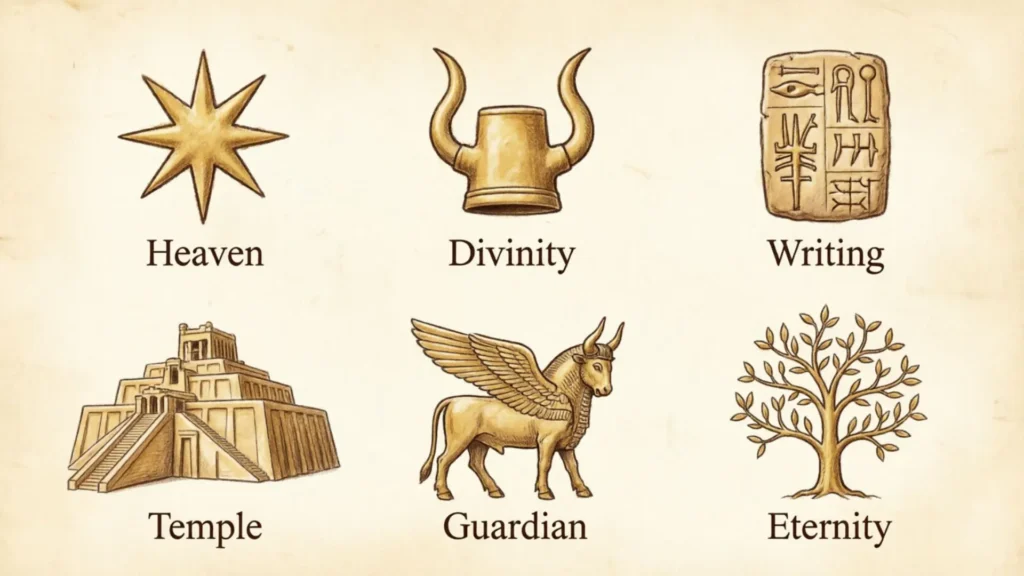
Dingir (𒀭): The Divine Marker of Sumerian Writing
The dingir sign is one of the most recognizable Sumerian symbols. In ancient texts, it was placed before names of gods and divine beings to show a connection with the sacred. It was not simply a decorative mark; it helped readers understand that a name referred to a deity.
Today, people often choose the dingir symbol because of its connection to ancient spirituality, mythology, and humanity’s early search for meaning. It can be found in historical artwork, educational designs, and personal creations inspired by Mesopotamian culture.
Because the symbol has religious roots, it is best used after learning about its original purpose rather than treating it as a random ancient design.
Best for: spiritual artwork, history lovers, mythology tattoos, educational designs, personal symbols
Ki (𒆠): Earth, Place, and Connection to Land
The Sumerian sign ki is associated with ideas connected to earth, land, and place. In Sumerian language and writing, it appeared in different contexts, including names and descriptions related to locations.
Many modern readers connect ki with themes like nature, grounding, and belonging. While these interpretations may be modern personal associations, they can create meaningful designs when used thoughtfully.
People interested in ancient civilizations often use ki-inspired designs in artwork because it has a simple visual form and a connection to the physical world. It can represent appreciation for nature, history, or a personal sense of home.
Best for: nature tattoos, family artwork, earth-inspired designs, minimalist symbols, personal reminders
E (𒂍): The Symbol Connected With Home and Sacred Buildings
The sign e is connected with meanings related to a house, building, or important structure in Sumerian writing. In ancient Mesopotamia, buildings were central to community life, including homes, temples, and administrative spaces.
This symbol can inspire modern designs focused on ideas of shelter, heritage, and belonging. People may choose it when they want artwork connected to family roots or the importance of a meaningful place.
When used today, it is helpful to explain that the symbol comes from ancient writing rather than assigning a completely new historical meaning to it.
Best for: family symbols, home designs, heritage artwork, architecture themes, meaningful jewelry
Me (𒈨): Divine Principles and Responsibilities
The Sumerian concept of me is one of the most interesting ideas found in ancient texts. It refers to important principles, powers, or responsibilities associated with civilization and divine order.
The concept appears in Sumerian mythology and writings connected with how society, culture, and human activities were understood. Modern interpretations often connect it with wisdom, purpose, and personal values.
People who appreciate ancient philosophy may choose me-inspired designs as reminders of knowledge, responsibility, or personal growth. Its meaning is deeper than a simple decorative symbol because it reflects ideas about how the world was organized.
Best for: philosophy-inspired tattoos, spiritual reflection, educational designs, personal growth symbols
Inanna-Related Symbols: Love, Power, and Ancient Mythology
Inanna was one of the most important goddesses in Sumerian mythology. Symbols connected with her stories are often explored by people interested in ancient religion, feminine themes, and mythology.
Rather than representing one single symbol, Inanna’s identity appears through different writings, artistic representations, and religious references. Her stories include themes of love, authority, fertility, and transformation.
Modern designs inspired by Inanna should acknowledge their connection to ancient Sumerian beliefs. They are often chosen by people who appreciate mythology and historical storytelling.
Best for: mythology tattoos, feminine designs, history-inspired art, symbolic jewelry, cultural studies
Utu-Related Sun Symbols: Light and Ancient Astronomy
Utu was the Sumerian sun deity, associated with justice and the sun. References connected with Utu appear in ancient texts and artwork related to Mesopotamian religion.
Sun imagery has been meaningful across many cultures, and Sumerian-inspired sun designs attract people who enjoy themes of light, truth, and observation of nature. However, it is important not to mix traditions together without understanding their differences.
A Utu-inspired design can be a thoughtful choice for someone interested in ancient astronomy, mythology, or symbolic artwork.
Best for: sun tattoos, mythology art, history collections, creative designs, symbolic jewelry
Star Symbols: The Ancient Connection to the Sky
Stars held important meaning in ancient Mesopotamian cultures because people closely observed the sky for calendars, agriculture, and religious practices. Sumerian writing included signs connected with heavenly ideas.
Today, star-inspired Sumerian designs are popular among people interested in astronomy, ancient knowledge, and cosmic themes. A star symbol can create a visually simple design while connecting to humanity’s long history of looking toward the heavens.
The meaning depends on the specific sign and context, so researching the exact symbol is always recommended.
Best for: astronomy tattoos, minimalist artwork, spiritual designs, creative logos, personal symbols
A (𒀀): A Simple Sign From Ancient Writing
The sign a is among the many basic signs used in Sumerian writing. Like many cuneiform signs, its meaning depended on how it appeared in words and sentences.
Its simple shape makes it attractive for people interested in ancient scripts and minimalist designs. Some choose individual cuneiform signs as a way to represent names, sounds, or personal connections to history.
Because single signs can have different meanings, checking historical sources before using one in a permanent design is important.
Best for: minimalist tattoos, name designs, ancient script artwork, study projects, personal symbols
Family-Related Cuneiform Signs: Heritage and Ancestry Themes
Sumerian writing included many signs used to record names, relationships, and social information. While there is not one universal “family symbol” in Sumerian culture, people today often explore cuneiform signs when creating ancestry-inspired designs.
These symbols can represent curiosity about heritage, respect for ancestors, and interest in early human history. They work especially well when combined with personal elements such as family names or meaningful dates.
Best for: family artwork, genealogy projects, custom jewelry, heritage tattoos, personal keepsakes
Cuneiform Name Symbols: Personal Ancient Identity
Many modern uses of Sumerian symbols involve converting names into cuneiform-inspired designs. This approach connects personal identity with one of humanity’s earliest writing systems.
However, translating modern names into ancient scripts requires care because ancient languages do not always match modern sounds perfectly. A historically accurate approach focuses on creating a respectful approximation rather than claiming it is an exact ancient spelling.
These designs are popular because they combine history with personal meaning.
Best for: name tattoos, custom artwork, gifts, jewelry, historical designs
Sumerian Symbols for Tattoos
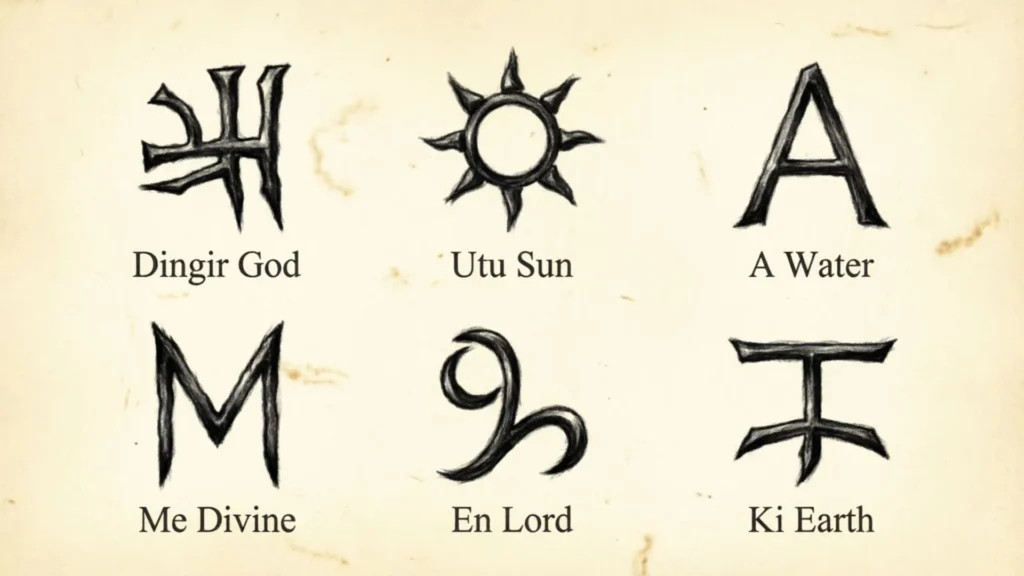
Sumerian symbols can make unique tattoos because they combine visual simplicity with ancient history. Small cuneiform marks can work well as minimalist tattoos, while larger designs can include mythology, tablets, or Mesopotamian artwork.
Before getting a tattoo, research the exact sign and its original context. A symbol connected with a deity or religious practice deserves thoughtful consideration.
Popular tattoo ideas include:
- Dingir for divine or historical themes
- Cuneiform names for personal identity
- Star symbols for cosmic inspiration
- Ki-inspired designs for earth themes
- Mythology-based artwork connected with Sumerian stories
Sumerian Symbols for Logos and Design
Sumerian symbols can create memorable logos, posters, and creative designs because of their distinctive shapes. Their ancient appearance can communicate history, knowledge, mystery, or craftsmanship.
For branding, simplicity matters. A symbol should remain clear when displayed in different sizes, from websites to printed materials. Designers should also avoid using sacred or culturally meaningful symbols without understanding their background.
Sumerian-inspired designs work well for museums, educational projects, creative studios, historical content, and art brands.
Sumerian Symbols for Family, Spiritual, or Personal Meaning
People often choose ancient symbols because they want something that feels connected to a larger story. Sumerian symbols can inspire personal reflection, interest in ancestors, appreciation for knowledge, or curiosity about early civilizations.
For spiritual use, remember that these symbols belonged to ancient religious traditions. They should not be presented as universal spiritual signs when their original meanings were more specific.
A meaningful symbol comes from understanding, not just appearance.
Before Using Cultural or Sacred Symbols
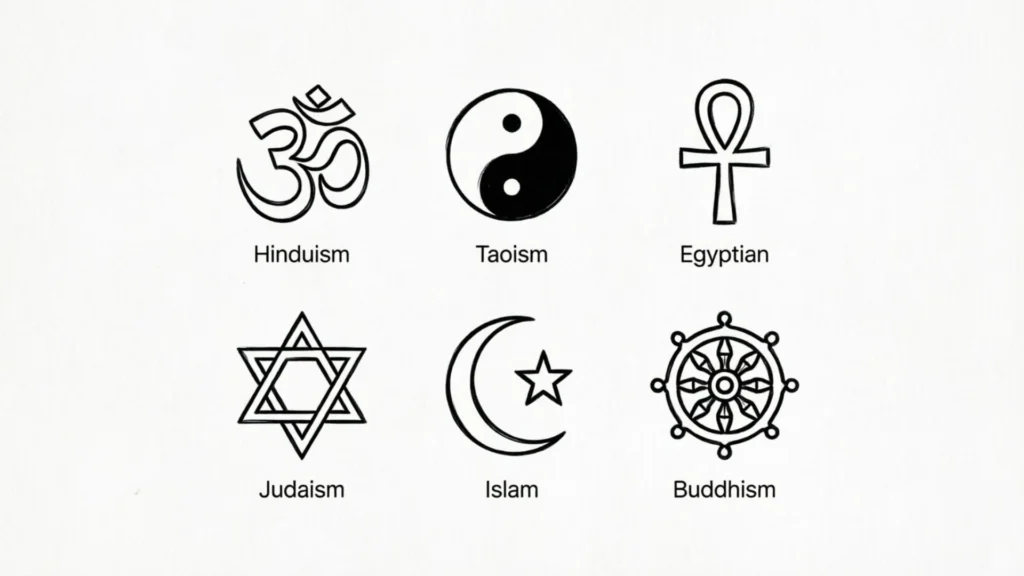
Some Sumerian symbols have roots in ancient religious beliefs, mythology, and cultural traditions. Before using them in tattoos, logos, products, or artwork, take time to understand their history.
Meanings can change depending on historical period and interpretation. Respectful use means avoiding false claims and recognizing that ancient symbols belong to real cultures with their own stories.
How to Choose the Right Symbol for Sumerian Symbols
Choosing the right symbol depends on your purpose:
- Personal meaning: Pick a sign connected to your own story or interests.
- Cultural respect: Learn the original history before using the design.
- Visual simplicity: Consider whether the symbol works clearly as a tattoo or logo.
- Design purpose: Some signs fit better for artwork, while others suit educational projects.
- Emotional connection: Choose something that genuinely matters to you.
The best symbol is not always the most attractive one. It is the one you understand and can use respectfully.
FAQs About Sumerian Symbols
What is the best symbol for Sumerian symbols?
The dingir sign is one of the most recognized Sumerian symbols because it was used to mark divine names in ancient texts. However, the best choice depends on your purpose. Someone interested in nature, mythology, family history, or writing may prefer a different sign.
What symbol represents ancient knowledge?
Cuneiform writing itself is often associated with ancient knowledge because it represents one of humanity’s earliest writing systems. Individual signs can also represent specific ideas, but their meanings depend on historical context.
What is a good Sumerian symbols tattoo?
A good Sumerian tattoo is one that has a researched meaning and personal connection. Popular choices include cuneiform names, the dingir sign, star-related designs, or mythology-inspired artwork. Always confirm the symbol’s background before making it permanent.
What Sumerian symbol represents spirituality?
The dingir sign is commonly connected with divine references because ancient writers used it near names of gods. Other religious symbols existed in Sumerian culture, but their meanings were specific to ancient beliefs rather than modern spirituality.
What is a simple Sumerian symbol for a tattoo?
Simple cuneiform signs work well for minimalist tattoos because they have clean shapes and historical meaning. A single sign can look elegant, but understanding its original use is important before choosing it.
Are Sumerian symbols good for logos?
Yes, Sumerian-inspired symbols can work well for logos when used carefully. Their unique shapes can create a memorable visual identity, especially for history, education, art, or creative brands.
Can I use Sumerian symbols for family designs?
Yes, many people use cuneiform-inspired designs for family artwork and heritage projects. However, there is no single universal Sumerian family symbol. A thoughtful design often combines historical signs with personal elements.
Final Thoughts
Sumerian symbols offer a fascinating look into one of humanity’s earliest writing traditions. They can inspire tattoos, artwork, logos, and personal designs, but their true value comes from understanding their history.
Whether you choose a symbol for creativity, heritage, or curiosity, learning its story makes the design more meaningful.
A well-researched symbol is not just an image it is a small piece of human history you carry forward.

Dylan Anderson is a writer who enjoys turning complex topics into simple, engaging content that readers can actually use. His work focuses on clear explanations, practical insights and storytelling that feels natural and relatable. He is also the fictional author of The Quiet Compass of Ashford and Where the Cedar Lantern Glows. When he’s away from his keyboard, Dylan enjoys hiking, reading, and discovering inspiration in everyday life. He believes great writing should be informative, easy to understand and enjoyable from beginning to end.
 Adam Sullivan