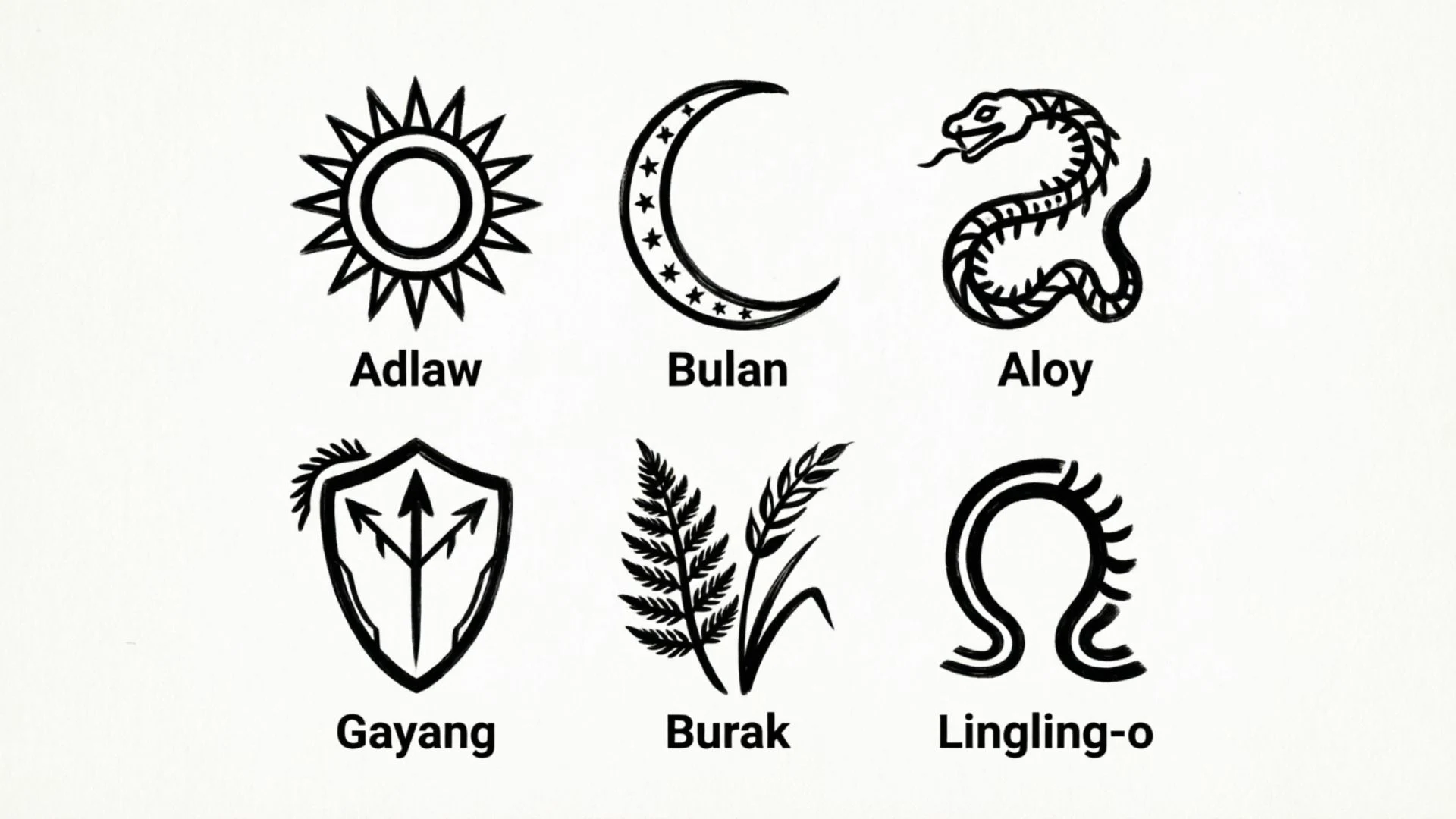
If you’ve ever admired traditional Filipino tattoos, you’ve probably wondered about the stories hidden within their bold geometric patterns.
I believe these designs are much more than body art they carry memories of ancestry, identity, courage, and community.
Whether you’re planning a tattoo, designing artwork, or simply exploring Filipino culture, understanding the meanings behind these symbols matters.
Knowing their origins helps you appreciate them with respect instead of seeing them as just decorative patterns.
Quick Answer: What Symbol Represents Filipino Tribal Tattoo Symbols and Meanings?
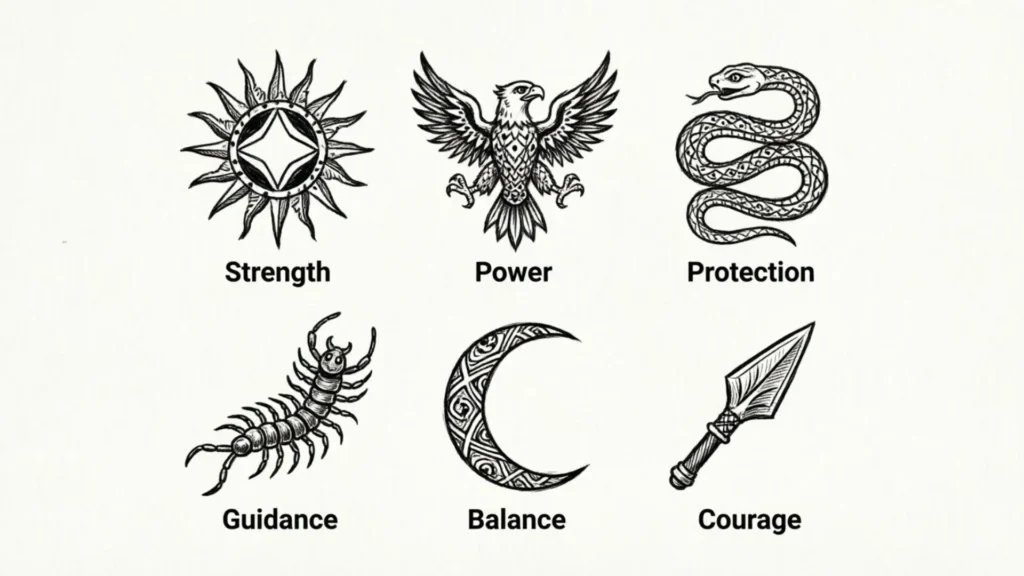
The most recognized symbol associated with Filipino tribal tattoo symbols and meanings is the Kalinga centipede (Gayaman). It is widely linked with protection, courage, resilience, and guidance. Other well-known traditional motifs include the python, mountain patterns, river lines, sun motifs, and geometric designs that honor ancestry, nature, and community. Their meanings often vary between different indigenous groups and regions.
What Are Filipino Tribal Tattoo Symbols and Meanings?
Filipino tribal tattoo symbols are traditional patterns and motifs created by Indigenous communities across the Philippines, including the Kalinga, Bontoc, Ifugao, Visayan, and other groups. These tattoos, known in many traditions as batek or batok, were historically earned rather than chosen simply for appearance.
Rather than following one universal meaning, each symbol reflects the customs of the community that created it. A design may celebrate bravery, mark important life events, honor family heritage, offer spiritual protection, or express harmony with nature.
Today, many people wear these designs to reconnect with Filipino identity, celebrate their roots, or appreciate traditional craftsmanship. However, meanings should always be understood within their original cultural context.
Filipino Tribal Tattoo Symbols and Meanings Comparison Table
| Symbol | Main Meaning | Best Use |
| Centipede (Gayaman) | Protection and courage | Tattoos, personal art |
| Python | Strength and wisdom | Large tattoos |
| Sun Motif | Life and vitality | Logos, tattoos |
| Mountain Pattern | Stability and endurance | Family tattoos |
| River Lines | Life’s journey | Spiritual art |
| Fern Motif | Growth and renewal | Jewelry, tattoos |
| Spear Pattern | Bravery and honor | Warrior-inspired tattoos |
| Shield Design | Protection | Family symbols |
| Rice Grain Pattern | Prosperity and abundance | Home art |
| Diamond Pattern | Balance and unity | Logos, tattoos |
| Crocodile Motif | Survival and resilience | Tribal artwork |
| Human Figure Motif | Community and ancestry | Heritage tattoos |
Top 12 Filipino Tribal Tattoo Symbols and Their Meanings
Centipede (Gayaman): Protection Through Every Step
The centipede is among the best-known Kalinga tattoo motifs. It is traditionally believed to offer protection from harmful influences while encouraging courage during life’s challenges. Because the centipede moves confidently across difficult terrain, it also reminds people to remain adaptable and determined.
Today, many choose this design to honor Filipino heritage or symbolize personal resilience. It works well as both a detailed sleeve element and a smaller standalone tattoo.
Best for: Tattoos, family heritage, personal reminders, cultural artwork, sleeve designs.
Python: Wisdom and Inner Strength
The python appears in several Indigenous traditions throughout the Philippines. It is admired for patience, awareness, and quiet strength rather than aggression. Instead of rushing, it moves with purpose and precision.
Modern tattoo enthusiasts often choose python-inspired patterns to represent self-control, maturity, and resilience. Larger body placements allow the flowing design to follow natural muscle lines beautifully.
Best for: Full-arm tattoos, spiritual symbolism, cultural art, personal growth, statement designs.
Sun Motif: Life, Energy, and Renewal
Sun-inspired tribal patterns celebrate life, warmth, and new beginnings. While many Filipino designs include solar elements, their appearance differs among regions and should not automatically be confused with the national sun found on the Philippine flag.
The sun remains a popular choice because it symbolizes hope, guidance, and the start of new chapters.
Best for: Tattoos, logo concepts, jewelry, inspirational artwork, personal branding.
Mountain Pattern: Endurance Across Generations
Mountain motifs reflect the landscapes where many Indigenous communities have lived for centuries. Mountains suggest stability, perseverance, and respect for one’s homeland.
People often select these patterns to honor family roots or remind themselves to remain steady through life’s changes.
Best for: Heritage tattoos, family art, landscape-inspired designs, sleeve fillers, memorial pieces.
River Lines: The Journey of Life
Flowing line patterns often resemble rivers that sustain communities throughout the Philippines. Rivers symbolize movement, change, learning, and life’s continuous path.
Many modern artists incorporate these lines into larger tribal compositions because they naturally connect multiple symbols together while adding visual flow.
Best for: Spiritual tattoos, sleeve designs, journals, artwork, meaningful gifts.
Fern Motif: Growth and New Beginnings
Ferns thrive even after storms and continue growing in challenging environments. Because of this, fern-inspired motifs often express resilience, healing, and renewal.
Their elegant curves also make them suitable for smaller tattoos while maintaining traditional geometric influences.
Best for: Small tattoos, jewelry, healing symbols, personal milestones, feminine designs.
Spear Pattern: Honor Earned Through Courage
Traditional spear-inspired motifs recognize bravery, responsibility, and readiness to protect loved ones. Historically, certain tattoo patterns reflected achievements within specific communities rather than simply personal preference.
Today, people appreciate spear patterns as reminders to face challenges with integrity and discipline.
Best for: Warrior tattoos, motivational art, men’s tattoos, cultural designs, arm pieces.
Shield Design: Guarding Family and Community
Shield-inspired geometric patterns symbolize protection, responsibility, and community care. Rather than celebrating conflict, they often reflect the importance of safeguarding loved ones.
Families sometimes incorporate shield elements into custom artwork that honors shared heritage.
Best for: Family tattoos, home décor, meaningful logos, personal symbols, memorial designs.
Rice Grain Pattern: Prosperity and Gratitude
Rice has long been central to Filipino life and agriculture. Patterns inspired by rice fields or grains remind people of nourishment, hard work, gratitude, and abundance.
These motifs work beautifully as supporting elements within larger traditional compositions.
Best for: Family artwork, home decorations, tattoos, cultural celebrations, harvest-inspired designs.
Diamond Pattern: Balance and Harmony
Geometric diamond shapes appear across many Indigenous textile and tattoo traditions. They often symbolize balance, order, and interconnected relationships.
Because of their clean appearance, diamond motifs also translate well into modern minimalist tattoos and graphic design.
Best for: Logos, minimalist tattoos, branding, jewelry, social media graphics.
Crocodile Motif: Survival and Respect for Nature
The crocodile appears in the traditions of several Philippine communities as a respected creature associated with survival and adaptability. Rather than portraying danger alone, it reflects respect for the natural world and life’s challenges.
This makes it appealing for those who value perseverance and resilience.
Best for: Large tattoos, cultural artwork, wildlife-inspired designs, storytelling, personal symbolism.
Human Figure Motif: Honoring Community and Ancestors
Some traditional tattoo patterns include simplified human figures that celebrate family, shared identity, and ancestral continuity. These motifs remind wearers that personal achievements are connected to the generations that came before them.
Today, they are often included in custom heritage tattoos created with cultural guidance.
Best for: Family tattoos, ancestry projects, memorial art, cultural designs, heritage sleeves.
Best Filipino Tribal Tattoo Symbols and Meanings for Tattoos
Traditional Filipino tattoo designs work best when chosen for their personal significance rather than appearance alone. Many people combine several motifs to tell their own life story while respecting traditional styles.
Popular tattoo choices include:
- Centipede for protection
- Mountain pattern for resilience
- River lines for life’s journey
- Sun motif for hope
- Shield design for family
- Fern motif for renewal
- Diamond pattern for balance
Small tattoos often feature simple geometric motifs, while larger sleeves combine several traditional elements into one meaningful composition.
Best Filipino Tribal Tattoo Symbols and Meanings for Logos and Design
Traditional tribal patterns can inspire logos, posters, clothing, and creative branding when used thoughtfully.
Simple geometric motifs like diamonds, mountain lines, and sun-inspired patterns are usually easier to recognize at small sizes. Clean shapes also work well for digital branding and social media graphics.
When creating commercial designs, avoid copying sacred or culturally significant tattoo arrangements directly. Instead, seek inspiration respectfully and understand the origin of each pattern before adapting it.
Best Filipino Tribal Tattoo Symbols and Meanings for Family, Spiritual, or Personal Meaning
Many people are drawn to Filipino tribal designs because they reflect personal values beyond appearance.
For family, shield motifs, human figures, and mountain patterns express protection, ancestry, and lasting support.
For spiritual meaning, river lines, centipedes, and sun motifs can remind people of guidance, resilience, and life’s ongoing journey.
The most meaningful tattoo is often one that reflects your own story while honoring the tradition it comes from.
Before Using Cultural or Sacred Symbols
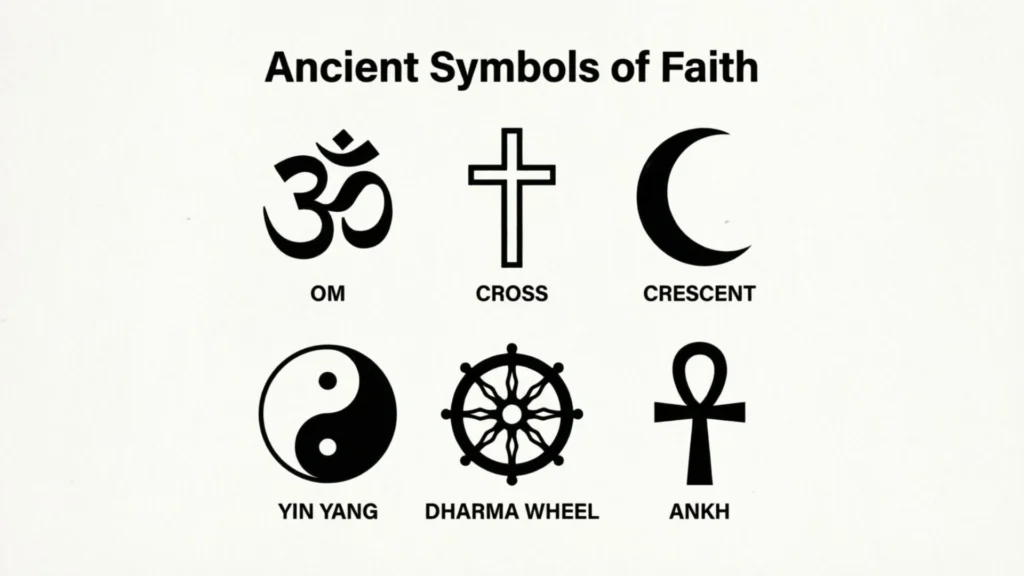
Many Filipino tribal tattoo symbols belong to living Indigenous traditions rather than ancient designs that are free for anyone to copy.
Before choosing one for a tattoo, logo, clothing brand, or commercial product, take time to learn where it comes from. Some patterns may have ceremonial, spiritual, or community-specific meanings that deserve respect.
If you’re honoring your heritage, consider working with an artist who understands traditional Filipino tattoo practices. Meanings can differ between regions, families, and Indigenous groups, so avoid assuming every symbol has one universal interpretation.
How to Choose the Right Symbol for Filipino Tribal Tattoo Symbols and Meanings
The right design depends on both personal meaning and cultural understanding.
Ask yourself:
- What value do I want the symbol to express?
- Does the design reflect my family history or personal journey?
- Have I learned about its cultural background?
- Will the design remain clear if used as a tattoo or logo?
- Am I choosing it respectfully rather than simply following a trend?
Taking time to answer these questions usually leads to a design you’ll appreciate for many years.
FAQs About Filipino Tribal Tattoo Symbols and Meanings
What is the best symbol for Filipino tribal tattoos?
The Kalinga centipede is one of the most recognized symbols because it is associated with protection, courage, and resilience. However, the best symbol depends on your personal story and the traditions connected to the specific Indigenous community.
What symbol represents family?
Shield designs, mountain motifs, and human figure patterns are commonly chosen to express family, ancestry, responsibility, and community. Their meanings may differ depending on the regional tradition where the design originated.
What is a good Filipino tribal tattoo?
A meaningful tattoo is one chosen with knowledge of its cultural background. Many people select centipedes, mountain patterns, river lines, or sun motifs because they combine beautiful design with personal significance.
Which symbol represents spiritual guidance?
River-inspired patterns and sun motifs are often connected with life’s journey, hope, and guidance. Some communities may also associate animal motifs with spiritual beliefs, although interpretations are not universal.
What is a simple Filipino tribal symbol?
Diamond patterns and geometric line motifs are among the simplest traditional-inspired designs. Their clean appearance works well for smaller tattoos while still reflecting traditional artistic influences.
Can Filipino tribal symbols be used in logos?
Yes, but they should be used respectfully. Designers should understand the cultural origins of any traditional motif and avoid copying sacred or community-specific tattoo arrangements for commercial purposes.
What animal is commonly associated with Filipino tribal tattoos?
The centipede, python, and crocodile appear in various Indigenous traditions. Each animal carries different meanings depending on the community, so there is no single interpretation shared across all Filipino cultures.
Do all Filipino tribal tattoo symbols have the same meaning?
No. Meanings vary between Indigenous groups, historical periods, and local traditions. A symbol that represents bravery in one community may have a different significance elsewhere.
Final Thoughts
Understanding Filipino tribal tattoo symbols and meanings goes beyond appreciating beautiful patterns.
Every design carries cultural stories shaped by generations of Indigenous knowledge, personal achievement, family identity, and respect for nature.
Whether you’re choosing a tattoo, creating artwork, or learning about Filipino heritage, taking time to understand each symbol’s background makes your choice more meaningful and respectful.

Dylan Anderson is a writer who enjoys turning complex topics into simple, engaging content that readers can actually use. His work focuses on clear explanations, practical insights and storytelling that feels natural and relatable. He is also the fictional author of The Quiet Compass of Ashford and Where the Cedar Lantern Glows. When he’s away from his keyboard, Dylan enjoys hiking, reading, and discovering inspiration in everyday life. He believes great writing should be informative, easy to understand and enjoyable from beginning to end.
 Adam Sullivan