Have you ever noticed a symbol on a therapist’s website, a psychology textbook, or a mental health logo and wondered what it means?
I know I have. Many psychology symbols carry fascinating stories that connect science, healing, wisdom, and the human mind.
Whether you’re looking for inspiration for a tattoo, creating a logo, or simply curious about their meanings, understanding these symbols can help you choose one that truly fits your purpose.
In this guide, you’ll discover the most recognized psychology symbols, their history, modern uses, and how to select the right one with confidence.
What Symbol Represents Psychology?
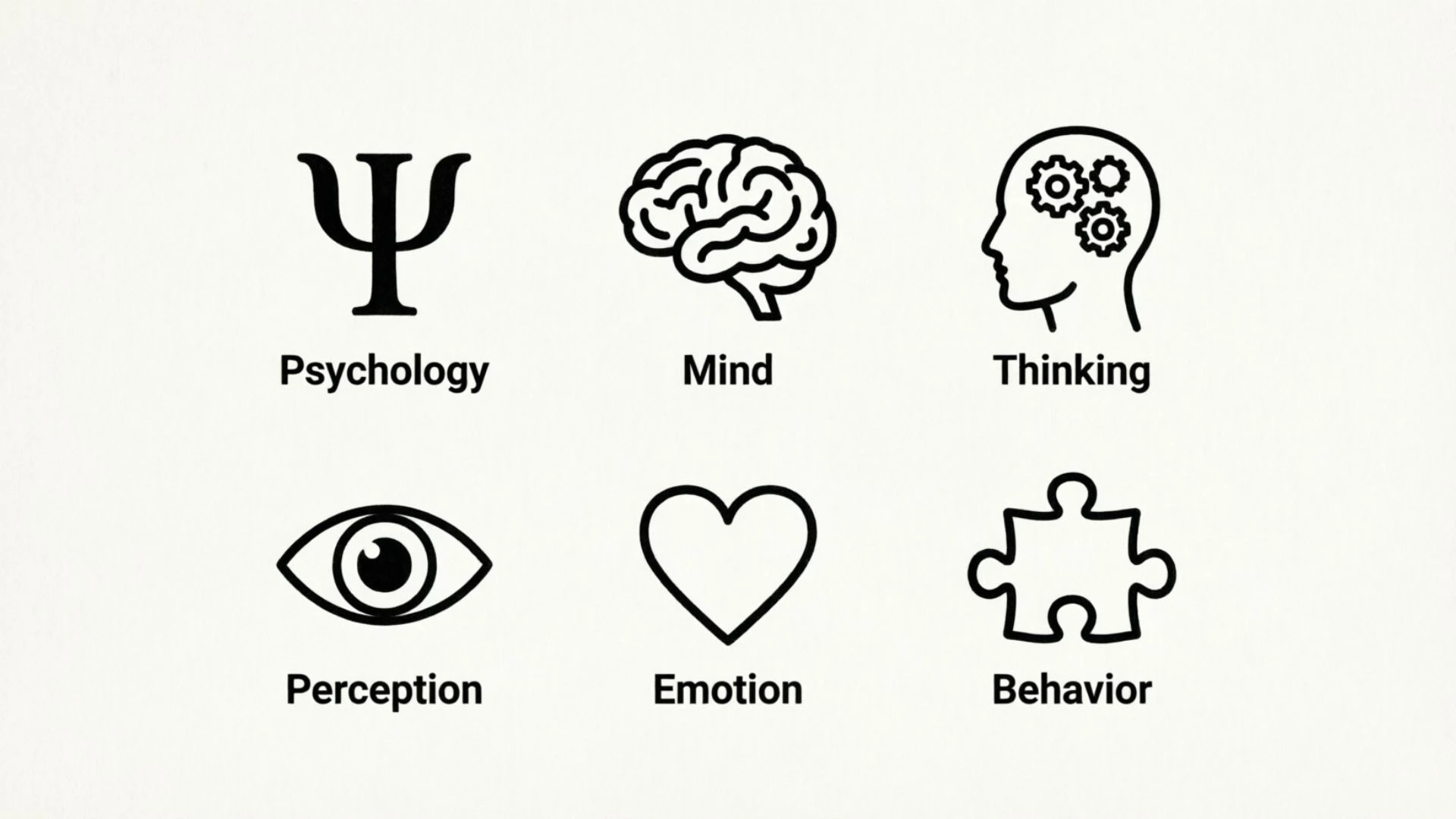
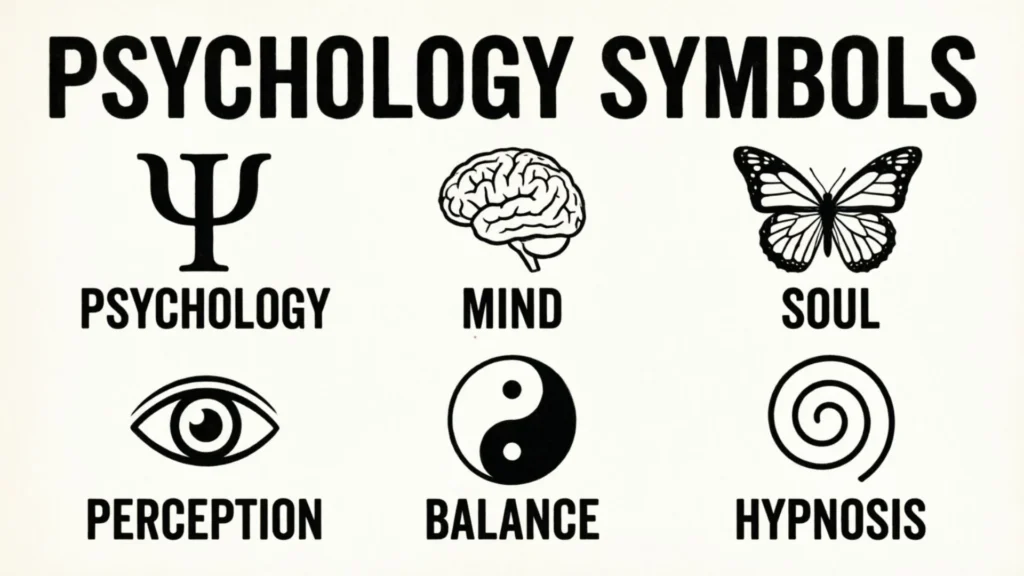
The Greek letter Psi (Ψ) is the most widely recognized symbol of psychology. It comes from the Greek word psyche, meaning “mind” or “soul.”
Today, Psi is used by psychology organizations, universities, researchers, therapists, and students around the world.
While Psi is the official academic symbol, other symbols such as the brain, owl, labyrinth, butterfly, and tree of life also reflect different aspects of psychology, including wisdom, growth, healing, memory, and self-discovery.
What Are Psychology Symbols?
Psychology symbols are visual signs that represent ideas related to the human mind, emotions, behavior, learning, healing, and personal growth. Some have ancient historical roots, while others became popular through modern psychology and mental health awareness.
The meaning of a symbol may change depending on culture, religion, historical background, or personal interpretation. For example, a butterfly may symbolize emotional transformation for one person, while another sees it as hope after overcoming difficult experiences. Understanding these different perspectives helps you use psychology symbols respectfully and meaningfully.
Psychology Symbols Comparison Table
| Symbol | Main Meaning | Best Use |
| Psi (Ψ) | Psychology, mind | Logos, education, tattoos |
| Brain | Intelligence, cognition | Educational designs, logos |
| Owl | Wisdom, knowledge | Branding, artwork |
| Butterfly | Transformation | Tattoos, healing reminders |
| Tree of Life | Growth and resilience | Jewelry, home décor |
| Labyrinth | Self-discovery | Meditation, tattoos |
| Lotus | Healing and personal growth | Spiritual art, tattoos |
| Spiral | Personal development | Creative design, journals |
| Phoenix | Recovery and resilience | Motivational tattoos |
| Yin Yang | Emotional balance | Wellness branding |
| Mandala | Inner harmony | Meditation, wall art |
| Open Hands | Care and support | Mental health organizations |
Top 12 Psychology Symbols and Their Meanings
Psi (Ψ): The Official Psychology Symbol
Psi is the universal symbol of psychology. It originates from the Greek letter used in the word psyche, which referred to the soul, breath, or mind in ancient Greek thought. As psychology developed into a scientific discipline, Psi became its official emblem.
Today, you’ll find Psi on university buildings, psychology associations, counseling offices, and research publications. Because it directly represents the field, it remains the most recognizable psychology symbol worldwide.
Best for: Academic logos, psychology tattoos, therapist branding, graduation gifts, educational materials.
Brain: Understanding the Human Mind
The brain is one of the clearest modern symbols of psychology because it reflects cognition, memory, emotion, and decision-making. Although psychology studies behavior as well as the brain, the image has become closely associated with mental health and neuroscience.
Brain illustrations are common in educational resources, healthcare branding, and awareness campaigns. Modern designs often combine a brain with leaves, puzzle pieces, or colorful patterns to represent both science and personal growth.
Best for: Educational graphics, neuroscience logos, awareness campaigns, minimalist tattoos, classroom posters.
Owl: Wisdom and Insight
Across many cultures, the owl has long been associated with wisdom, careful observation, and thoughtful decision-making. These qualities closely align with psychology, which seeks to understand why people think and behave the way they do.
An owl can also symbolize emotional intelligence, patience, and lifelong learning. Because of its timeless appearance, it works well in both traditional and modern artwork.
Best for: Book covers, therapist logos, meaningful tattoos, educational organizations, artistic illustrations.
Butterfly: Emotional Transformation
The butterfly reminds many people that change is possible. Its life cycle from caterpillar to butterfly mirrors emotional healing, personal growth, and positive transformation after difficult experiences.
In psychology, the butterfly is often connected with recovery, resilience, and self-discovery. It has become especially meaningful within mental health communities because it encourages hope without ignoring life’s challenges.
Best for: Healing tattoos, mental health awareness, jewelry, journals, personal reminders.
Tree of Life: Growth Through Experience
The Tree of Life symbolizes steady growth, resilience, and the connection between different stages of life. Just as a tree develops deep roots and expanding branches, people grow through learning, relationships, and life experiences.
Many therapists and counselors appreciate this symbol because it reflects both stability and continuous development. Different cultures interpret the Tree of Life in unique ways, but growth remains a common theme.
Best for: Family artwork, counseling logos, home décor, jewelry, meaningful tattoos.
Labyrinth: The Journey of Self-Discovery
Unlike a maze, a labyrinth has one continuous path leading inward and back out again. It symbolizes reflection, mindfulness, and the personal journey toward understanding yourself.
Psychology often involves exploring emotions, beliefs, and behaviors over time rather than finding instant answers. For this reason, the labyrinth has become a meaningful symbol of therapy, healing, and self-awareness.
Best for: Meditation spaces, reflective tattoos, therapy practices, mindfulness journals, spiritual artwork.
Lotus: Healing and Renewal
The lotus flower grows through muddy water before blooming beautifully above the surface. Because of this, it has become a symbol of healing, resilience, and personal development.
In many Eastern traditions, the lotus also carries deep spiritual significance related to enlightenment and inner peace. When used in psychology-inspired designs, it often represents emotional healing and resilience rather than religious identity.
Best for: Spiritual tattoos, wellness branding, meditation rooms, yoga studios, inspirational artwork.
Spiral: Continuous Personal Growth
The spiral symbolizes progress that unfolds over time. Instead of moving in a straight line, personal development often includes setbacks, learning, and new perspectives. The spiral reflects this realistic journey.
Modern psychology frequently emphasizes growth as an ongoing process rather than a final destination. This makes the spiral appealing for people who value lifelong learning and emotional resilience.
Best for: Journal covers, creative branding, tattoos, coaching businesses, personal artwork.
Phoenix: Rising After Adversity
The phoenix is a legendary bird known for rising from its own ashes. Although it comes from mythology rather than psychology itself, it has become a meaningful symbol of recovery, resilience, and emotional strength.
Many people choose the phoenix after overcoming trauma, addiction, illness, or major life changes. Its message focuses on rebuilding rather than simply surviving.
Best for: Recovery tattoos, motivational art, support groups, resilience campaigns, personal symbols.
Yin Yang: Emotional Balance
The Yin Yang represents balance between complementary forces rather than perfect opposites. Within psychology, it can remind us that emotional well-being often comes from accepting different parts of ourselves instead of trying to eliminate difficult emotions completely.
Because this symbol comes from Chinese philosophy, it should be used with an understanding of its cultural background.
Best for: Wellness logos, mindfulness spaces, spiritual tattoos, meditation artwork, counseling materials.
Mandala: Inner Harmony
Mandalas are detailed geometric designs used in several spiritual traditions as tools for meditation and reflection. Many people also associate them with focus, calmness, and emotional balance.
Coloring mandalas has become a popular mindfulness activity because repetitive patterns may encourage relaxation and concentration. Their beauty also makes them popular in decorative artwork.
Best for: Meditation art, tattoos, wellness branding, coloring books, home décor.
Open Hands: Compassion and Support
Open hands symbolize empathy, care, acceptance, and human connection. In psychology and mental health services, they often communicate safety, support, and willingness to help others.
Unlike more abstract symbols, open hands are immediately understandable across many cultures. This makes them especially effective for organizations focused on counseling, crisis support, or community care.
Best for: Nonprofit logos, mental health campaigns, community programs, posters, support organizations.
Best Psychology Symbols for Tattoos
A psychology-inspired tattoo can remind you of healing, curiosity, resilience, or lifelong learning. Smaller designs often age well and remain visually clear, while larger pieces allow more artistic detail.
Popular psychology tattoo ideas include:
- Psi (Ψ) for psychology and learning
- Butterfly for personal transformation
- Phoenix for resilience
- Lotus for healing and renewal
- Tree of Life for growth
- Labyrinth for self-discovery
- Spiral for continuous progress
Choose a design that reflects your own story instead of following trends alone.
Best Psychology Symbols for Logos and Design
If you’re creating a logo, website, poster, or social media brand related to psychology or mental health, simplicity matters. A clean symbol is easier to recognize and remember.
Psi remains the most professional option for psychology-related organizations. Brain icons work well for educational content, while open hands communicate care and compassion. Butterflies and trees are popular for therapy, coaching, and wellness brands because they suggest growth without becoming overly complex.
Aim for designs that remain clear even at small sizes and avoid combining too many symbols into one logo.
Best Psychology Symbols for Family, Spiritual, or Personal Meaning
Different psychology symbols can reflect different personal values.
For family growth, the Tree of Life expresses shared roots and lasting relationships.
For emotional healing, the butterfly and lotus remind people that change takes time and patience.
For resilience, the phoenix reflects rebuilding after hardship.
For mindfulness, the labyrinth and mandala encourage reflection and self-awareness.
For lifelong learning, the owl and Psi celebrate curiosity and knowledge.
Choosing a symbol with personal significance often creates a deeper connection than selecting one simply because it looks attractive.
Before Using Cultural or Sacred Symbols
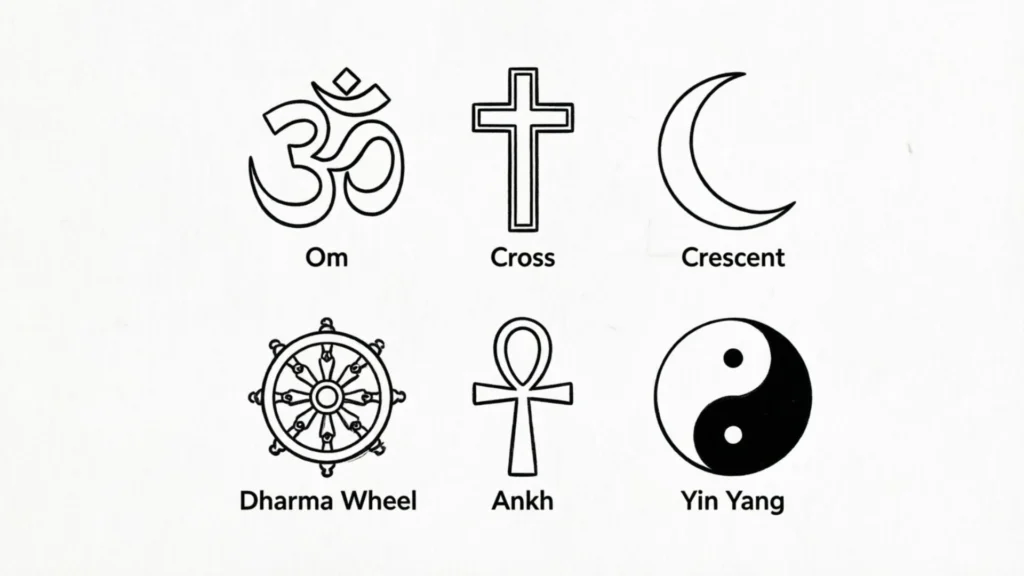
Some psychology-related symbols have religious, philosophical, or cultural origins. The lotus, Yin Yang, mandala, and Tree of Life all hold important meanings within specific traditions.
Before using these symbols in tattoos, commercial products, logos, or artwork, take time to understand their history and cultural significance. Meanings can vary between communities, and respectful use begins with learning about their original context rather than assuming a single universal interpretation.
How to Choose the Right Symbol for Psychology
The best psychology symbol depends on your purpose.
Ask yourself these questions:
- Does this symbol reflect my personal story?
- Does it have cultural or spiritual roots I should understand?
- Will it work well as a tattoo or logo?
- Is the design simple enough to stay recognizable?
- Does it communicate healing, growth, knowledge, or another message that matters to me?
Choosing thoughtfully will give the symbol lasting personal value.
FAQs About Psychology Symbols
What is the best symbol for psychology?
The Greek letter Psi (Ψ) is the official and most widely recognized psychology symbol. It directly represents the field of psychology and is commonly used by universities, therapists, researchers, and professional organizations around the world.
What symbol represents the human mind?
The brain is the most common visual symbol of the human mind. It represents thinking, memory, learning, emotions, and cognitive processes, making it popular in psychology, education, and neuroscience.
What is a good psychology tattoo?
Popular psychology tattoos include Psi, butterflies, labyrinths, lotus flowers, and phoenixes. The best choice depends on your personal journey, whether you want to express healing, resilience, knowledge, or emotional growth.
Which psychology symbol represents healing?
The lotus and butterfly are among the most meaningful symbols of healing. Both suggest growth through difficult experiences and remind people that emotional recovery often happens gradually over time.
What is a simple symbol for psychology?
Psi (Ψ) is one of the simplest psychology symbols. It has a clean design, is instantly recognizable within the field, and works well for tattoos, logos, jewelry, and minimalist artwork.
Does psychology have an official logo?
Psychology does not have one universal logo, but the Psi symbol serves as its official academic emblem. Individual organizations often combine Psi with other visual elements such as brains, hands, or trees.
What color is associated with psychology?
Blue is frequently associated with psychology because it suggests trust, calmness, and professionalism. Green is also common in mental health branding because it evokes growth, balance, and well-being.
What animal represents psychology?
There is no official psychology animal, but the owl is widely connected with psychology because it symbolizes wisdom, observation, learning, and thoughtful understanding of human behavior.
Final Thoughts
Psychology symbols offer much more than attractive designs. They reflect curiosity, healing, resilience, learning, and the lifelong journey of understanding ourselves and others.
Whether you choose the classic Psi, a butterfly, a labyrinth, or another meaningful image, the best psychology symbols are the ones that align with your values while respecting their cultural and historical background.
A thoughtful choice can become a lasting reminder of growth, compassion, and the remarkable complexity of the human mind.

Dylan Anderson is a writer who enjoys turning complex topics into simple, engaging content that readers can actually use. His work focuses on clear explanations, practical insights and storytelling that feels natural and relatable. He is also the fictional author of The Quiet Compass of Ashford and Where the Cedar Lantern Glows. When he’s away from his keyboard, Dylan enjoys hiking, reading, and discovering inspiration in everyday life. He believes great writing should be informative, easy to understand and enjoyable from beginning to end.
 Adam Sullivan