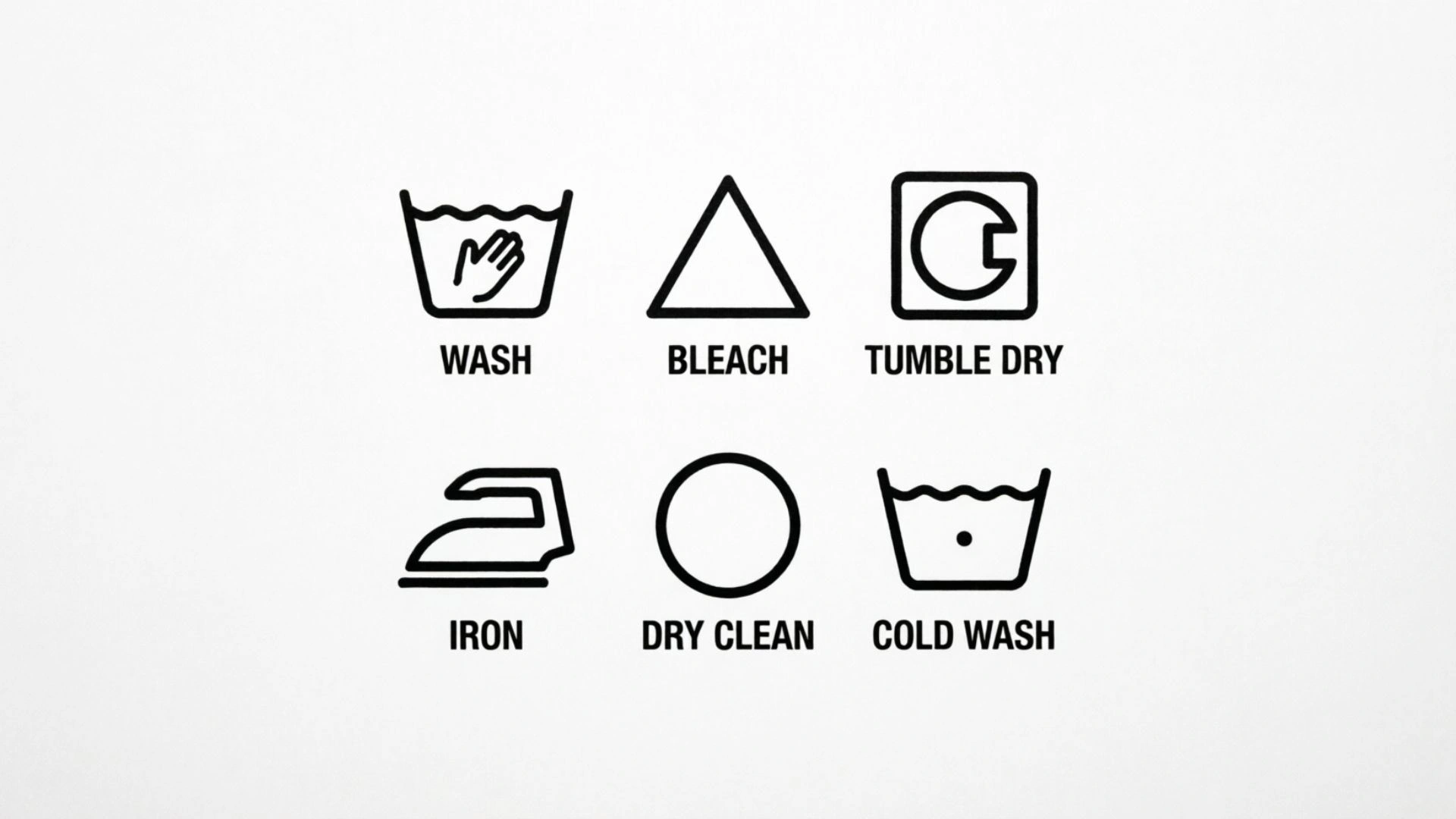
I used to think laundry symbols were just small confusing marks on clothing labels, but they actually tell you how to protect your favorite clothes.
Understanding washer and dryer symbols can help you avoid shrinking sweaters, fading colors, and damaging delicate fabrics.
If you have ever stared at a care label and wondered what a circle, dot, or crossed-out icon means, you are not alone.
This guide will help you quickly understand these symbols and use them with confidence. Whether you are doing everyday laundry, caring for expensive clothing, or creating a simple laundry routine, knowing these signs makes a big difference.
What Do Washer and Dryer Symbols Mean? (Quick Answer)
The most common washer and dryer symbols are the washing tub, drying square, and iron icons found on clothing care labels. A tub symbol tells you how to wash an item, while a square symbol explains drying instructions. Dots inside symbols usually show heat levels, and a crossed-out symbol means that method should be avoided.
What Are Washer and Dryer Symbols?
Washer and dryer symbols are visual instructions printed on clothing tags to explain how garments should be cleaned and cared for. They are part of a global laundry care system designed to make fabric care easier without relying only on written instructions.
These symbols show important details such as:
- Whether an item can be machine washed
- The correct washing temperature
- Whether tumble drying is safe
- When bleach should be avoided
- Whether ironing is allowed
- Whether professional dry cleaning is needed
The meaning of each symbol can vary slightly depending on the country or labeling system, but most modern care labels use similar designs. Learning these icons helps you protect clothing, save money, and make your laundry routine easier.
Washer and Dryer Symbols Comparison Table
| Symbol | Main Meaning | Best Use |
| Washing tub symbol | Machine washing instructions | Everyday clothing care |
| Tub with number | Maximum washing temperature | Choosing water temperature |
| Tub with hand | Hand wash only | Delicate fabrics |
| Crossed-out tub | Do not wash | Items requiring special care |
| Square with circle | Tumble drying allowed | Dryer-safe clothing |
| Square with dots | Dryer heat level | Selecting dryer settings |
| Crossed-out dryer symbol | Do not tumble dry | Air drying items |
| Iron symbol | Ironing instructions | Removing wrinkles safely |
| Iron with dots | Iron temperature level | Adjusting heat settings |
| Triangle symbol | Bleaching instructions | Whitening or stain treatment |
| Circle symbol | Dry cleaning instructions | Professional cleaning |
| Crossed-out circle | No dry cleaning | Avoiding chemical cleaning |
Top 12 Washer and Dryer Symbols and Their Meanings
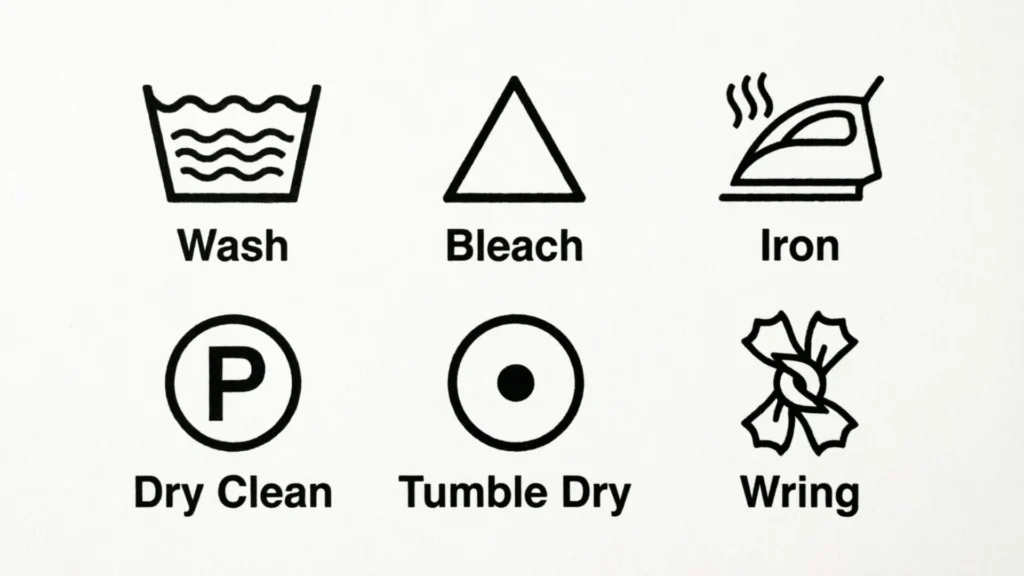
1. Washing Tub Symbol: The Basic Washing Instruction
The washing tub symbol is one of the most common laundry icons you will see. It looks like a small basin filled with water and tells you whether an item can be washed in a washing machine.
A plain tub usually means normal machine washing is allowed. When numbers or dots appear inside the tub, they indicate the recommended water temperature. This symbol helps prevent damage caused by using water that is too hot or an incorrect wash cycle.
For everyday shirts, towels, and cotton clothing, this symbol is usually straightforward. However, delicate materials may require extra care.
Best for: everyday clothes, cotton items, towels, basic laundry routines, family clothing care
2. Tub With Temperature Number: Choosing the Right Wash Heat
A washing tub with a number inside shows the maximum washing temperature recommended for the garment. Common temperatures include 30°C, 40°C, 60°C, or higher.
The number does not mean you must always wash at that exact temperature. It means you should not exceed that level. Lower temperatures are often better for protecting colors and reducing fabric wear.
Choosing the right temperature can also help save energy while keeping clothes in good condition.
Best for: temperature-sensitive fabrics, colored clothing, energy-saving laundry, preventing fabric damage
3. Tub With a Hand Symbol: Gentle Cleaning Required
The hand inside a washing tub means the item should be washed by hand rather than placed in a standard washing machine cycle.
This symbol is common on delicate clothing such as wool, silk, lace, and handmade garments. These materials can lose shape or become damaged during strong machine washing.
Modern washing machines may have gentle or hand-wash settings, but checking the clothing label first is always the safest option.
Best for: delicate clothing, luxury fabrics, handmade items, careful garment maintenance
4. Crossed-Out Washing Tub: Do Not Wash
A washing tub with a large cross over it means the item should not be washed with water.
These garments may require dry cleaning or another special cleaning method. Washing them normally could cause shrinking, color changes, or fabric damage.
Items with this symbol often include structured clothing, special materials, or garments with decorative details that cannot handle water exposure.
Best for: formal clothing, specialty fabrics, expensive garments, professional cleaning needs
5. Square With Circle Symbol: Tumble Dryer Safe
The square with a circle inside is the main dryer symbol. It means the garment can be placed in a tumble dryer.
This symbol helps you know whether machine drying is safe after washing. However, the dots inside the circle provide additional information about heat settings.
Even dryer-safe items may last longer when dried on a lower heat setting.
Best for: towels, bedding, everyday clothes, dryer-friendly fabrics
6. Dryer Symbol With Dots: Understanding Dryer Heat Levels
Dots inside the dryer symbol indicate the recommended heat level. One dot usually means low heat, while two dots often allow medium heat. Three dots indicate higher heat.
Using too much heat can shrink fabrics, damage elastic materials, or weaken fibers over time.
When you are unsure, choosing a lower heat setting is usually a safer option.
Best for: protecting clothing, choosing dryer settings, extending garment life
7. Crossed-Out Dryer Symbol: Air Dry Instead
A crossed-out dryer icon means the item should not go into a tumble dryer.
Some fabrics cannot handle heat or the movement of a dryer drum. Instead, these items should usually be air dried naturally on a drying rack or hanger.
Following this symbol is especially important for delicate clothing and items that can lose their shape.
Best for: delicate fabrics, sweaters, activewear, shape-sensitive clothing
8. Iron Symbol: Wrinkle Removal Instructions
The iron symbol tells you whether an item can be ironed. Like dryer symbols, dots inside the iron show temperature limits.
A plain iron means ironing is allowed, while a crossed-out iron means heat should be avoided.
Using the correct iron temperature prevents scorch marks and protects sensitive materials.
Best for: dress shirts, uniforms, formal wear, wrinkle control
9. Triangle Symbol: Bleaching Guidelines
The triangle symbol relates to bleach use. A plain triangle traditionally means bleach may be used, while other variations may limit the type of bleach allowed.
Many modern garments use crossed-out triangles to show that bleach should not be used. Bleach can weaken fibers and remove color from many fabrics.
Always check this symbol before treating stains.
Best for: stain care, white fabrics, cleaning decisions, fabric protection
10. Circle Symbol: Professional Dry Cleaning
A circle symbol indicates that professional dry cleaning may be recommended.
Different letters inside the circle can provide instructions for cleaners about suitable chemicals or methods. While most consumers do not need to understand every professional cleaning detail, recognizing the symbol is useful.
It helps prevent accidental damage from home washing.
Best for: suits, coats, specialty clothing, professional garment care
11. Crossed-Out Circle Symbol: Avoid Dry Cleaning
A crossed-out circle means the garment should not be dry cleaned.
This instruction is important because some fabrics or finishes may react poorly to dry cleaning chemicals.
Always follow this symbol even if the item appears similar to clothing that is usually dry cleaned.
Best for: special fabrics, coated materials, sensitive garments
12. Drying Line Symbols: Natural Drying Methods
Some care labels include lines inside a drying square to show natural drying methods. These may indicate hanging, flat drying, or drying in shade.
These symbols are especially useful for clothing that stretches, wrinkles easily, or loses shape in a dryer.
Proper drying can make clothes look newer for longer.
Best for: knitwear, delicate garments, outdoor clothing, long-term clothing care
Best Washer and Dryer Symbols for Tattoos
Unlike traditional symbolic art, laundry symbols are rarely chosen as tattoos. However, some people use them creatively to represent personal habits, sustainability, home life, or a love of design.
Simple laundry icons can work well as small minimalist tattoos because they are clean, recognizable, and meaningful to people who appreciate organization or everyday routines.
Popular ideas include:
- Minimal washing tub icons
- Small dryer symbols
- Matching laundry symbols for couples or families
- Tiny line-art clothing care icons
- Custom symbols representing home and self-care
A tattoo based on a laundry symbol is most meaningful when it connects to a personal story rather than just the appearance of the icon.
Best Washer and Dryer Symbols for Logos and Design
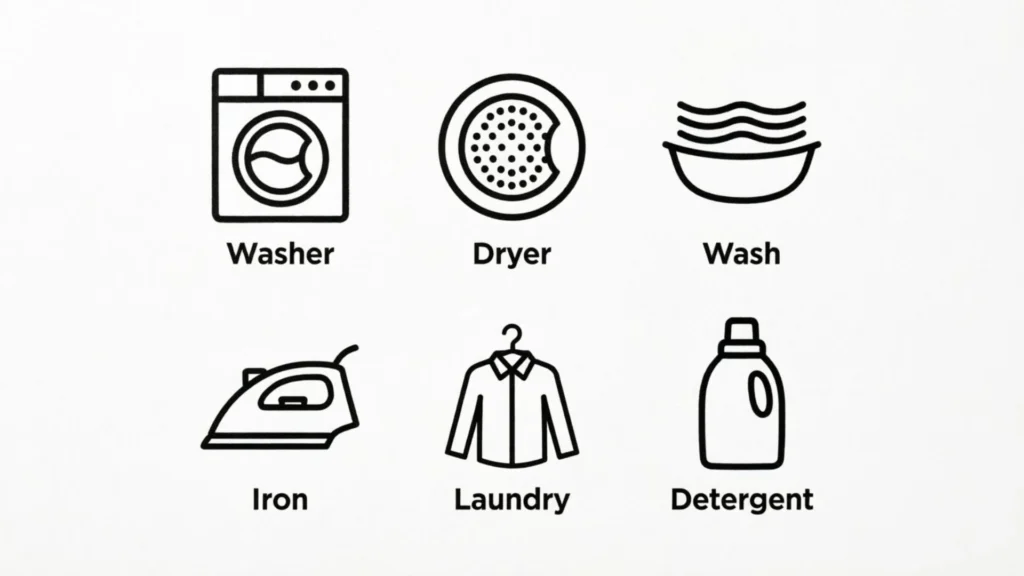
Laundry symbols work well in design because they are simple and easy to recognize. They are useful for laundromat branding, clothing businesses, cleaning services, instruction guides, and social media graphics.
Good design choices usually include:
- Clear washing icons
- Simple dryer illustrations
- Easy-to-read care labels
- Minimal line designs
- Consistent icon styles
When creating a logo, avoid using too many symbols at once. A clean and recognizable design usually communicates better than a crowded collection of icons.
Best Washer and Dryer Symbols for Family, Personal, or Everyday Meaning
Laundry symbols may not have deep spiritual meanings like traditional cultural symbols, but they can represent practical values such as care, responsibility, home routines, and attention to detail.
For families, these symbols can represent teamwork and shared household responsibilities. For individuals, they may represent organization, independence, or caring for personal belongings.
A simple washing or drying icon can also remind people that small daily actions help protect the things they value.
Before Using Cultural or Sacred Symbols
Washer and dryer symbols are practical care instructions rather than cultural or religious symbols. However, when combining laundry icons with artwork, tattoos, or branding, it is still important to understand the meaning and purpose of any additional symbols used.
Some symbols from different cultures and religions have important histories and sacred meanings. Always research their origins before using them in personal or commercial designs. Meanings can vary between communities and traditions.
How to Choose the Right Washer and Dryer Symbols
Choosing the right laundry symbol depends on your goal. If you are reading a clothing label, focus on the care instructions that protect the fabric. If you are using symbols in design, consider clarity and simplicity.
Think about:
- Personal meaning: Choose symbols that match your purpose.
- Fabric needs: Follow washing and drying instructions carefully.
- Visual clarity: Simple icons are easier to understand.
- Design purpose: Logos need symbols that are recognizable quickly.
- Long-term use: Choose practical symbols that will remain useful.
The best symbol is the one that communicates the right message clearly.
FAQs About Washer and Dryer Symbols
What is the most common washer and dryer symbol?
The most common symbols are the washing tub and the dryer square with a circle. The washing tub explains how clothing should be cleaned, while the dryer symbol shows whether tumble drying is safe.
What symbol means clothes can go in the dryer?
A square with a circle inside means an item can usually be tumble dried. Dots inside the circle show the recommended heat level, helping you choose a safer dryer setting.
What is a good washer and dryer symbol tattoo?
A small minimalist laundry icon, such as a washing tub or dryer symbol, can work well for people who enjoy simple designs. It is best when the tattoo has personal meaning.
What symbol means do not wash?
A washing tub with a cross over it means the item should not be washed with water. The garment may need another cleaning method, such as professional care.
What is a simple laundry symbol to understand?
The washing tub symbol is usually the easiest to recognize. It directly relates to washing instructions and appears on many clothing labels worldwide.
What do dots mean on washer and dryer symbols?
Dots indicate temperature levels. More dots usually mean higher heat is allowed, while fewer dots suggest a lower temperature setting is safer.
Why are washer and dryer symbols important?
They help prevent clothing damage, reduce unnecessary replacement costs, and make laundry care easier. Following these symbols can help clothes last longer.
Final Thoughts
Understanding washer and dryer symbols makes laundry less confusing and helps you take better care of your clothes.
These small icons provide important information about washing, drying, ironing, and cleaning methods. Once you learn the basics, reading clothing labels becomes quick and simple.
The next time you check a care tag, you will know exactly what those symbols are trying to tell you.

Dylan Anderson is a writer who enjoys turning complex topics into simple, engaging content that readers can actually use. His work focuses on clear explanations, practical insights and storytelling that feels natural and relatable. He is also the fictional author of The Quiet Compass of Ashford and Where the Cedar Lantern Glows. When he’s away from his keyboard, Dylan enjoys hiking, reading, and discovering inspiration in everyday life. He believes great writing should be informative, easy to understand and enjoyable from beginning to end.
 Adam Sullivan